
Dir: Avelina Prat | Drama 2025
Avelina Prat’s charmingly old-fashioned film about getting lost, starting again — and borrowing someone else’s life
There is something rather lovely about The Portuguese House. In an age when films often seem obliged to shout, explain and keep us permanently entertained, Avelina Prat has made something almost unfashionably gentle: a perceptive film about loneliness, friendship, deception. It is also, refreshingly, in no particular hurry.
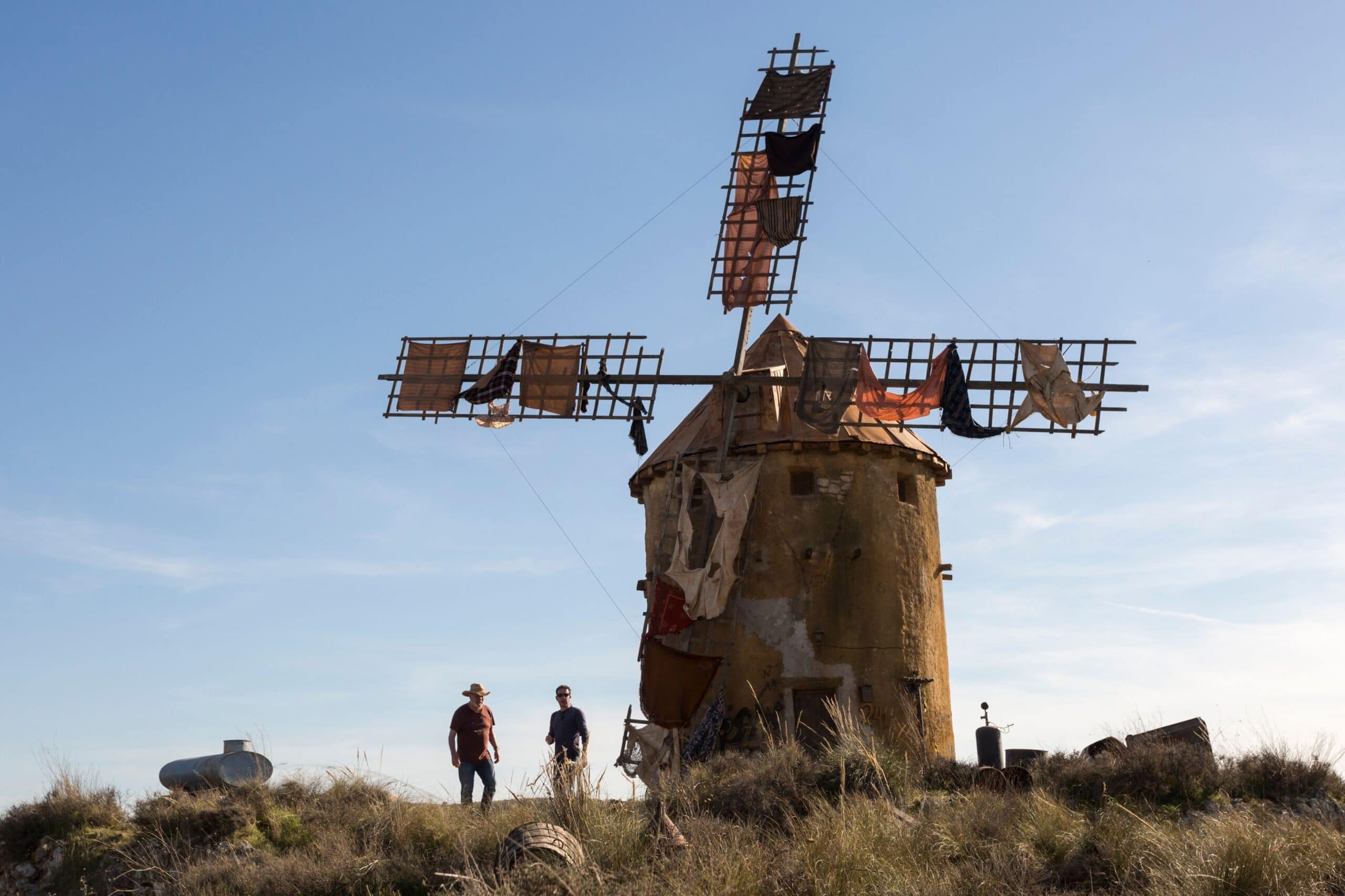
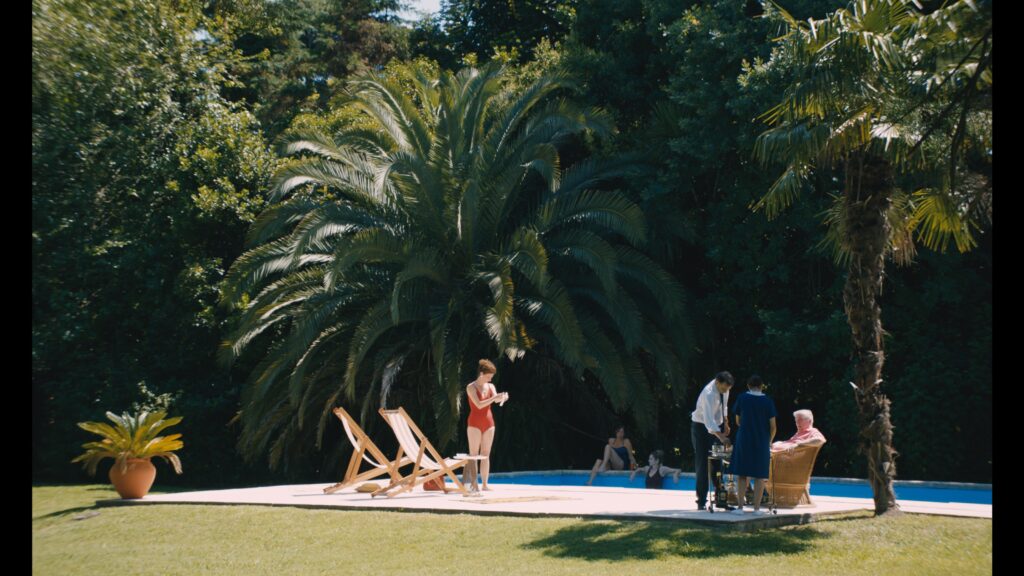
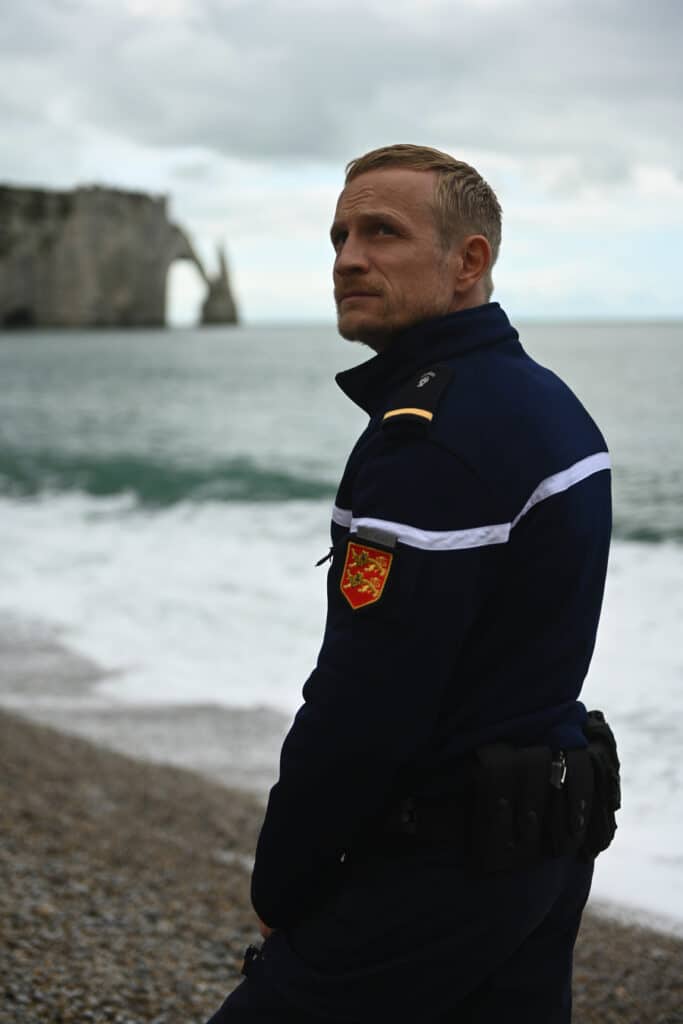
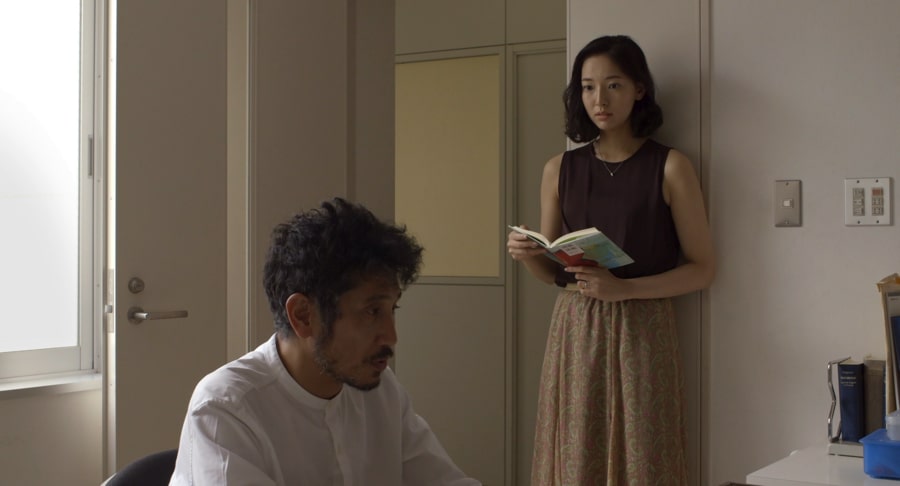
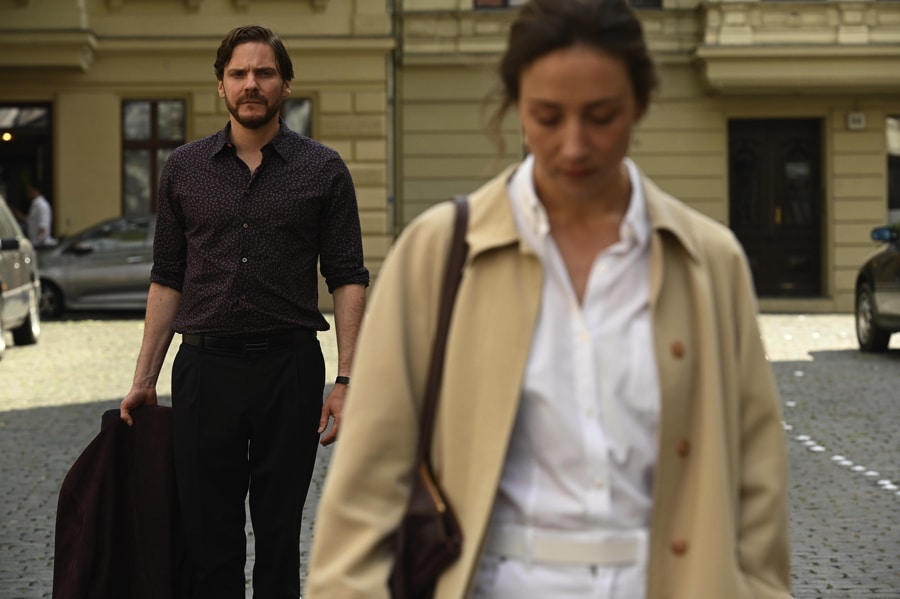
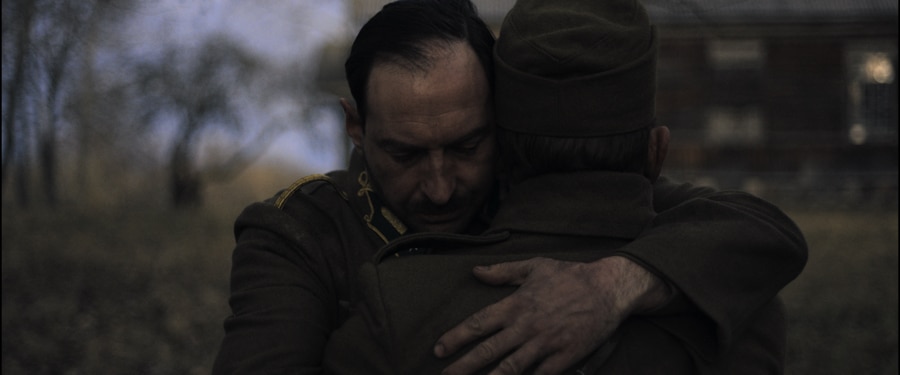
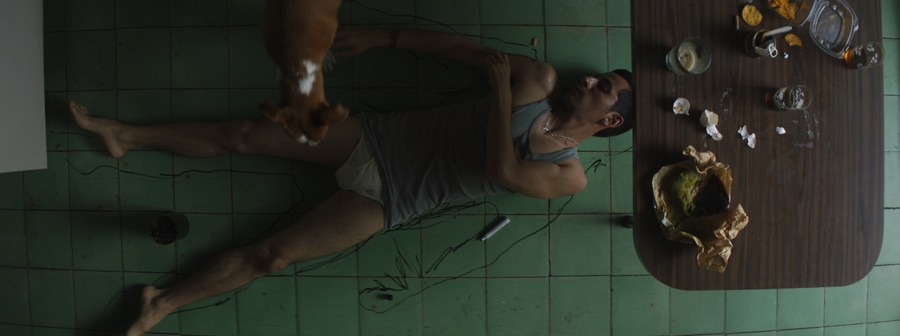
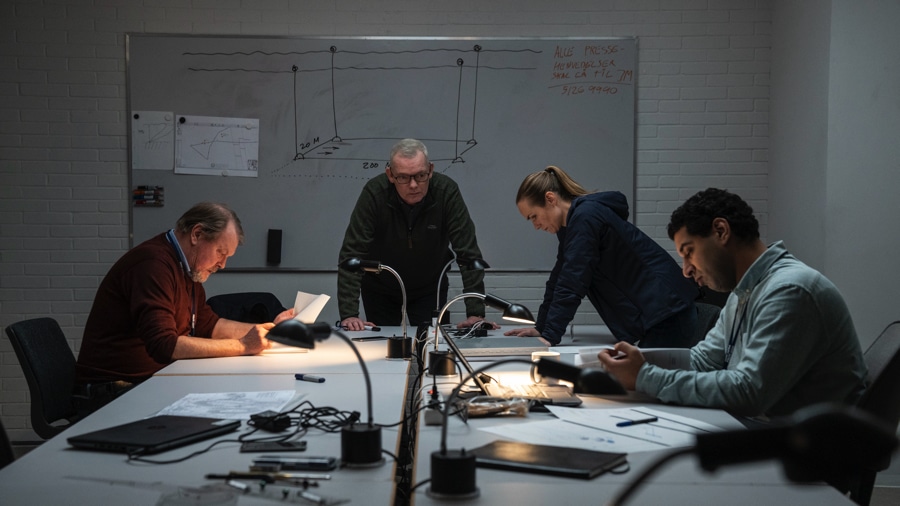
Co-written and directed by Prat, the film begins with Fernando, a geography professor whose wife abruptly leaves him without explanation. Faced with the sort of mid-life existential crisis that usually produces either a road movie or a very expensive therapist, Fernando chooses Portugal. On the journey he encounters Manuel, an itinerant gardener with his own destination. When Manuel unexpectedly dies of a heart attack, Fernando does something that is both morally dubious and narratively irresistible: he takes his identity and carries on to the Portuguese house Manuel was heading for.
From here, The Portuguese House settles into its curious, quietly seductive rhythm. Fernando becomes an accidental intruder in somebody else’s world, and the deception gives him the opportunity to become a slightly different version of himself.
It is classic storytelling in the best sense. There is a house with secrets, strangers arriving from elsewhere, unexplained absences, gardens, long conversations and people whose pasts gradually emerge over dinner or across a table. The film feels as though it might have wandered in from another, slower period of European cinema — somewhere between a literary adaptation and a classic summer drama — and is none the worse for it.
Part of the enjoyment here is its refusal to behave like a contemporary film. Prat trusts silence. She lets people talk. She allows a landscape to exist without somebody having to explain its symbolic significance. And when two characters look at each other, we are allowed to wonder what they are thinking rather than being immediately supplied with the answer.
Manolo Solo is excellent as Fernando, playing him with an appealing mixture of bewilderment, melancholy and dry humour. His performance makes the character’s unlikely transformation surprisingly convincing. He isn’t suddenly reinvented; rather, the shock of being nobody in particular seems to loosen something that had become stuck.
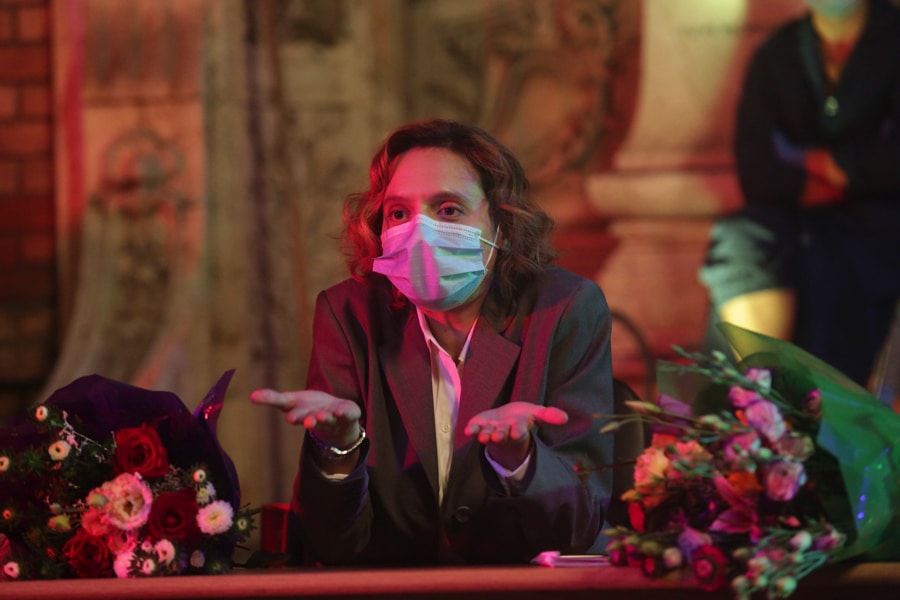
Maria de Medeiros brings an equally attractive ambiguity to the film. Their developing relationship is handled with considerable intelligence. Is it friendship? Romance? Mutual rescue? Perhaps it doesn’t matter. Prat is interested in the intimacy that can grow between people who have no predetermined reason to be in each other’s lives.
There is humour here, too, although it is the kind that slips in rather than announces itself. Fernando’s predicament is faintly absurd — imagine discovering that the best way to escape your own life is to pretend to be a dead man — but the film never mocks its characters. Its affection for human foolishness is one of its charms.
The Portuguese setting helps enormously. The house and its gardens have the slightly enchanted quality of places in classic cinema where people arrive carrying one story and leave with another. The film makes excellent use of the contrast between Fernando’s unsettled state and the physical solidity of this new environment.
Not everything works quite as effortlessly. The film’s leisurely pace and refusal to spell everything out will maybe not appeal so much to audiences accustomed to faster-moving dramas, while some of its narrative turns have the pleasingly improbable quality of a story told rather than a life observed. But that is part of its character. The Portuguese House isn’t trying to be gritty realism. It belongs to a tradition of cinema in which coincidence is allowed to intervene, houses contain mysteries and strangers can still change your life.
So this old European style and gentle optimism feels earned rather than contrived. This is a film about people who have lost something — a marriage, a sense of purpose, a familiar identity — discovering that loss can also create an opening. There are worse things, after all, than getting lost in Portugal.
IN CINEMAS FROM 2 October 2026

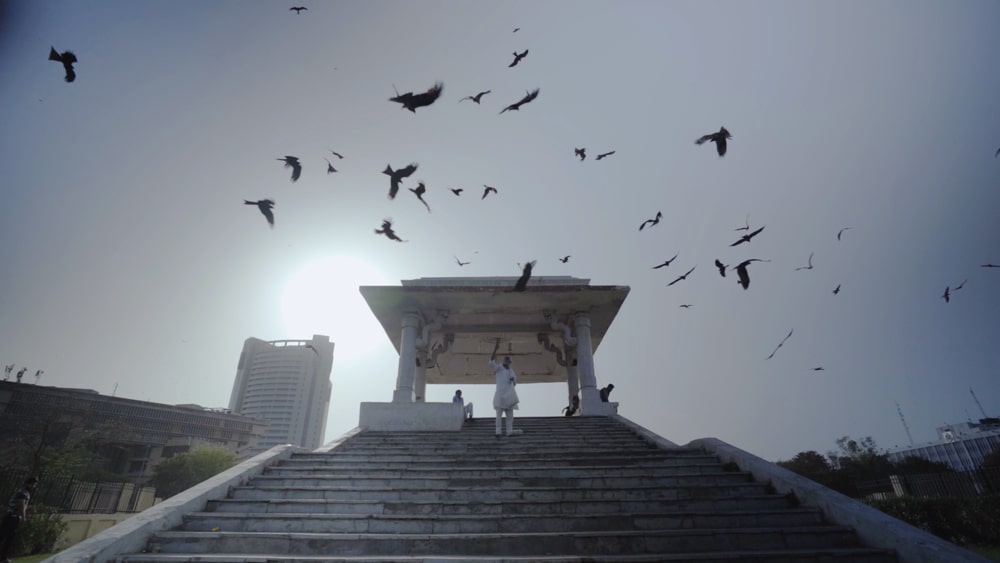





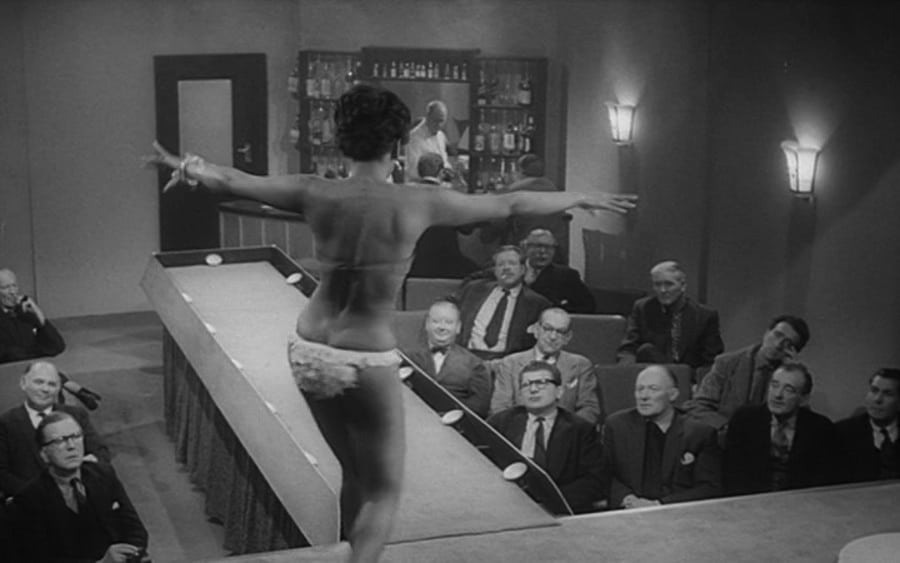
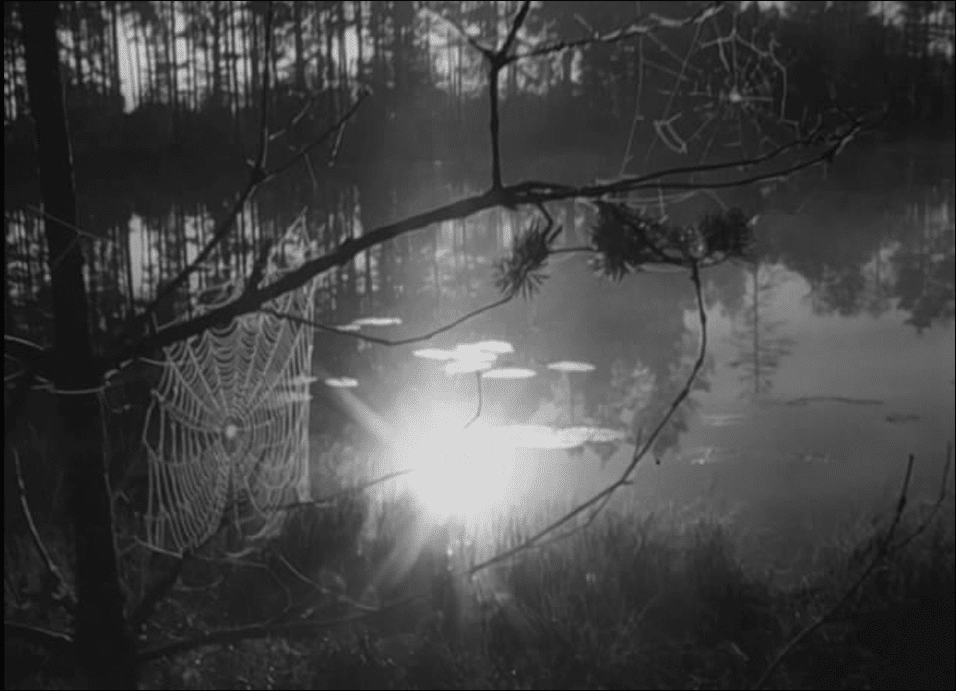













 Dir.: Georgui Balabanov; Documentary with Christo, Jeanne-Claude, Anani Yavashev; Bulgaria 1996, 72 min.
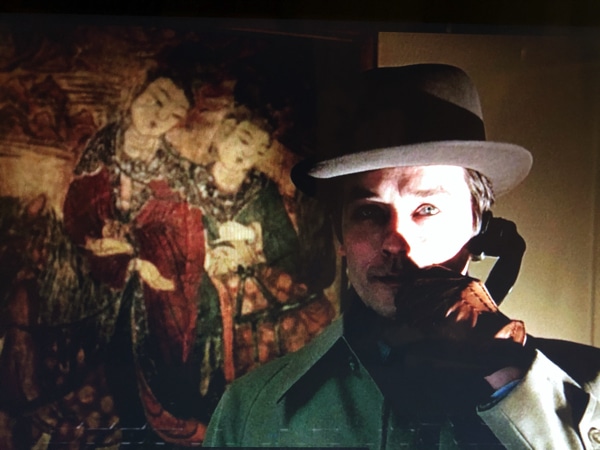 Elliptical in nature, in the same way as
  Films don’t always end up the way their makers originally envisaged at their outset, and the maiden production of Michael Powell & Emeric Pressburger’s Archers Films would have turned out completely differently had Laurence Olivier been freed from the Fleet Air Arm to make it; since it is now impossible to imagine without third-billed Roger Livesey and his distinctive voice in the title role (in which at the age of 36 he convincingly ages forty years). The makers’ relative inexperience shows in the fact that they ended up with a initial cut over two and a half hours long; but fortunately J.Arthur Rank liked the film so much he let it hit cinemas as it was. Indeed, it was Pressburger’s favourite of the Rank outings, and would go on to influence the work of future filmmakers such as Scorsese in his The Age of Innocence and Tarantino who copied the device of beginning and ending a film be rerunning the same scene from the point of view of different characters.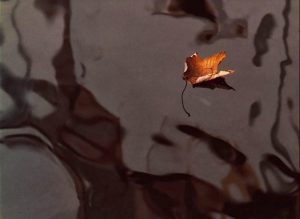
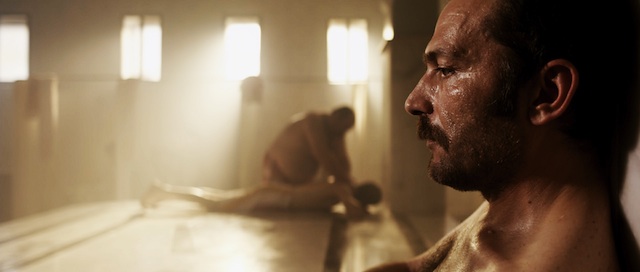
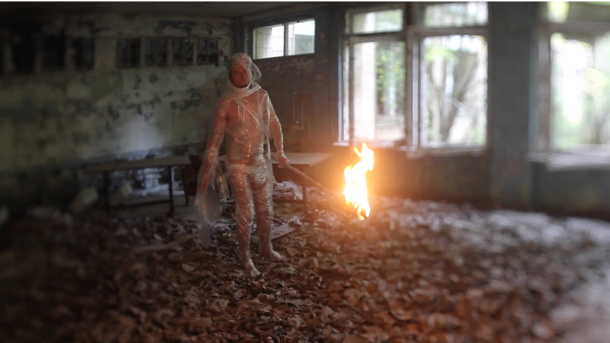

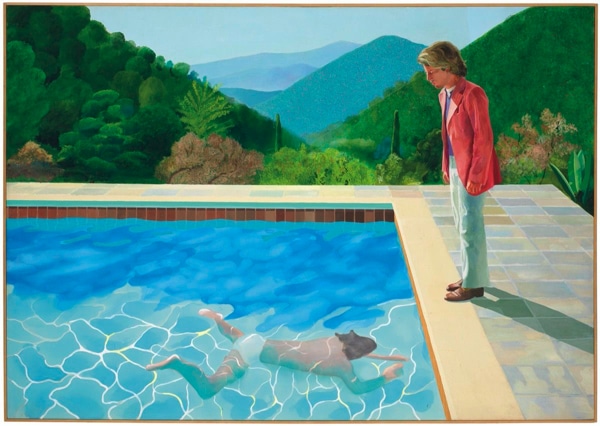
 Concise and pithy, this colourful film is narrated on camera by Samuel Aghoyan, the Superior of the Armenian Church, who takes us through a potted history of his own arrival as a child in the Holy City, and gives a sardonic take on the internecine tiffs that add spice to the daily life of this legendary ecclesiastical HQ sitting proudly in the Christian Quarter of the Old City of Jerusalem.
 According to traditions, dating back to at least the fourth century, the building houses the two holiest sites in Christianity: the site where Jesus was crucified, at a place known as Calvary or Golgotha, and Jesus’s empty tomb, where he was buried and resurrected. The tomb is enclosed by a 19th-century shrine called the Aedicula. According to the history books, Jerusalem has had a chequered and controversial religious past. But eventually 260 years ago, the English were back in town and set up ‘The Status Quo’, an understanding between religious communities that must be respected across the board.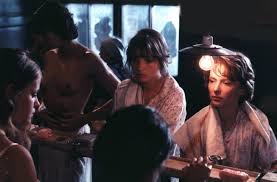
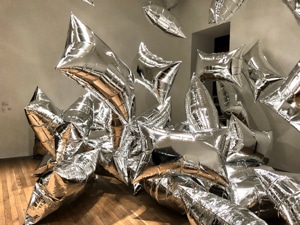 Merce was also passionate about working with artists from other disciplines including composer John Cage, Cunningham’s longterm partner; the painter Robert Rauschenberg; and Andy Warhol whose collaboration is particularly striking in Merce’s 1968 Sci-fi themed dance work Rainforest which featured Warhol’s metallic helium-filled silver balloons (the Silver Clouds) that float around the dancers like something from outer space.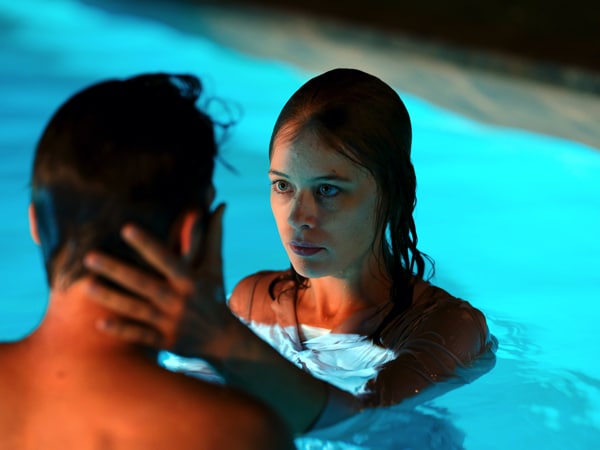
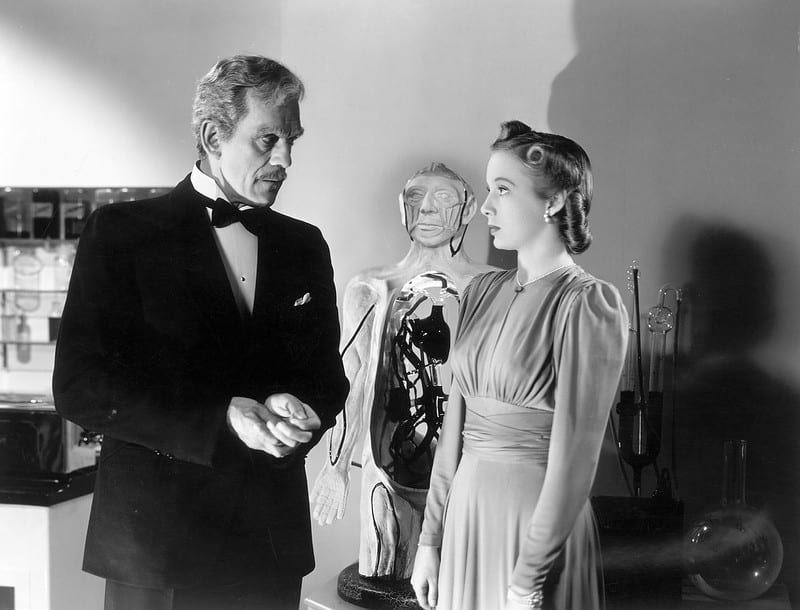
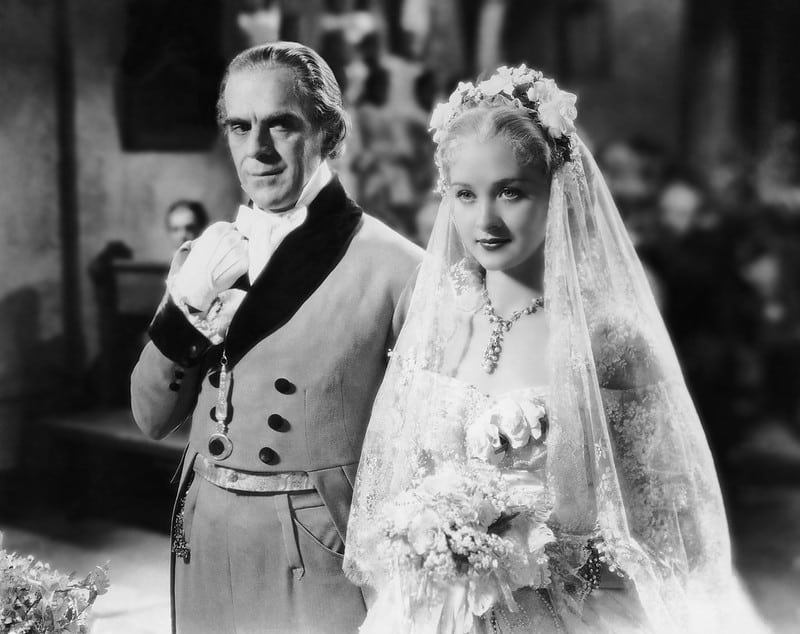
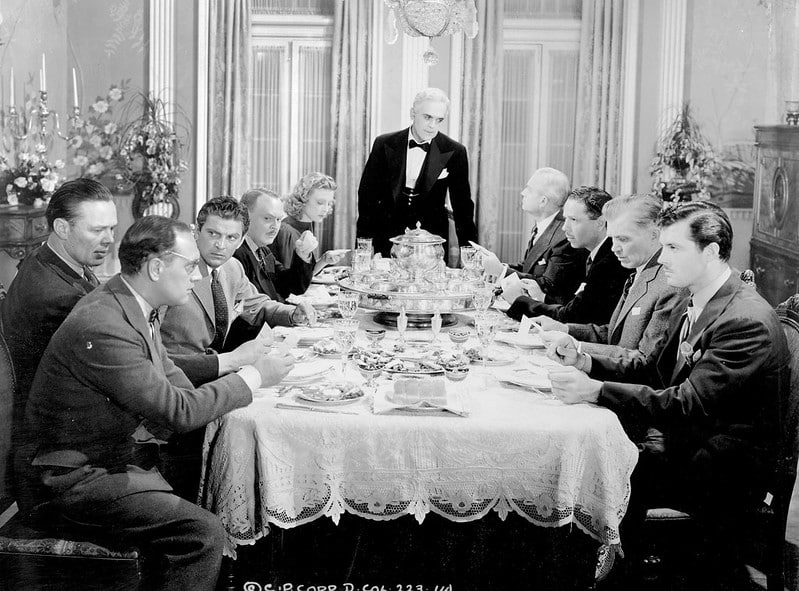
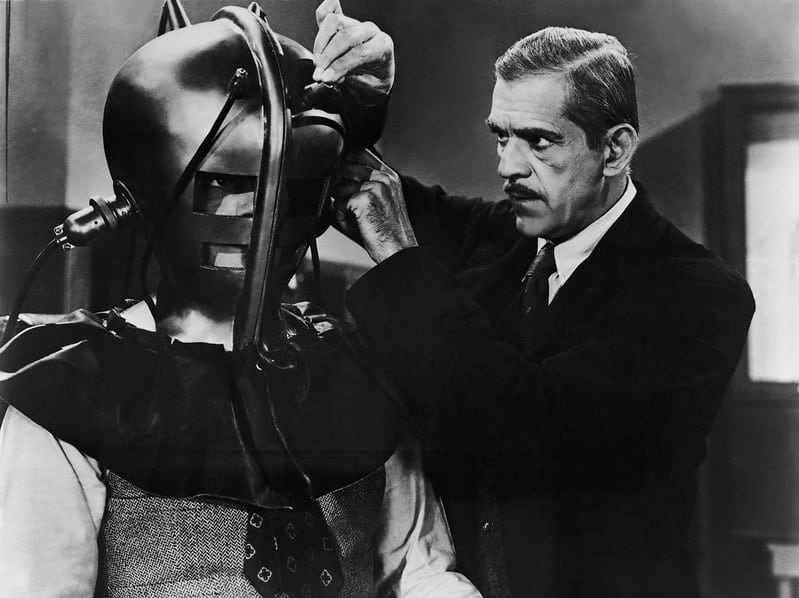
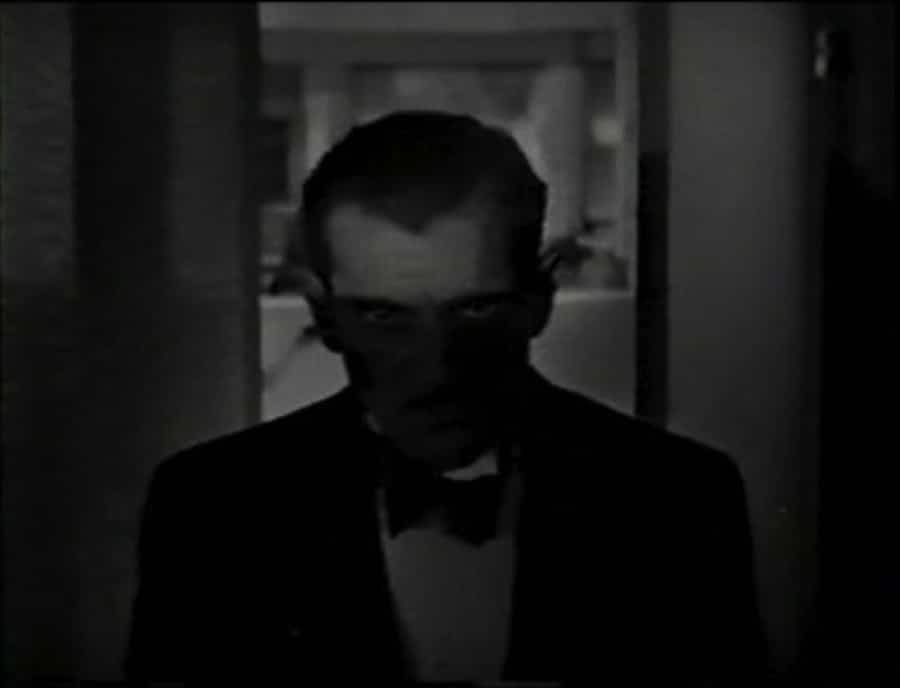
 Dir: James Whale | Wri: Benn Levy/J B Priestley | Cast: Boris Karloff| Charles Laughton | Eva Moore | Gloria Stuart | Melvyn Douglas| Raymond Massey | Horror / Comedy |US 75′

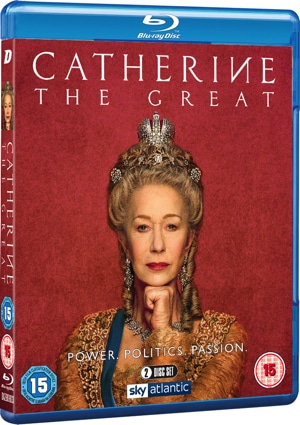 Catherine the Great
 Karina went on to star in seven of his films, the first was Le Petit Soldat that same year. She won Best Actress at the Berlin Film Festival in 1961 for Une Femme est une Femme. While marriage to Godard was stormy to say the least – he neglected her emotionally – “he was the sort of man who would go for a packet of cigarettes and return three weeks later” – their artistic relationship blossomed with a string of New Wave hits: Vivre sa Vie (1962); Bande a Part (1964); Pierrot Le Fou (1965); Alphaville (1965) and Made in USA (1966). When Godard cast her in his episode ‘Anticipation’ for The Oldest Profession (1966), they were already divorced and not on speaking terms. But Karina stayed loyal to Godard and a few years ago at the BFI she talked about him in glowing terms.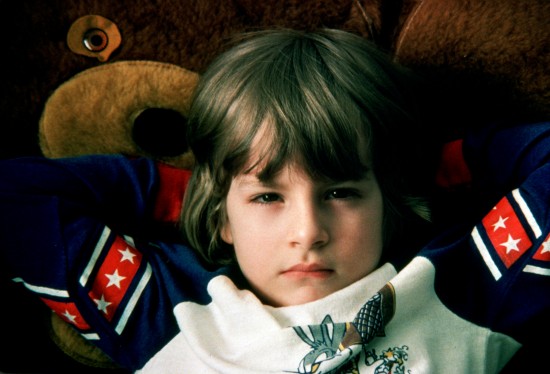
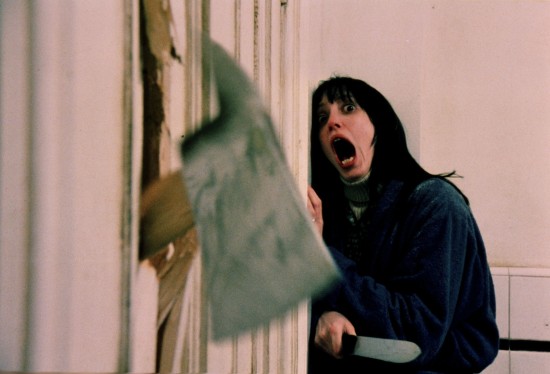
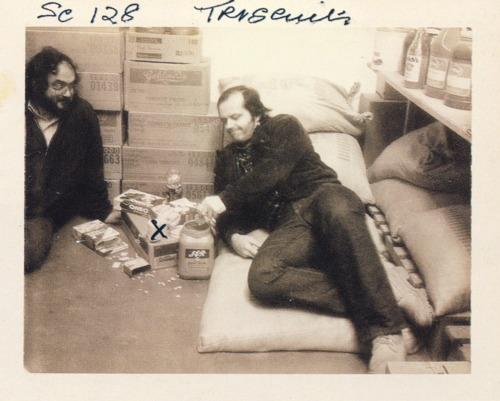
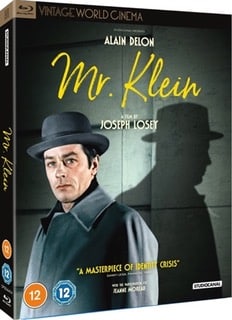
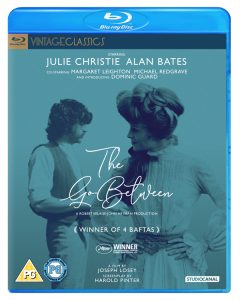 Losey’s adaptation of LP Hartley’s novel is arguably his masterpiece. Pinter’s script adds a darkly amusing twist to the torrid love and coming of age story set in the lush summer landscapes of Norfolk to Michel Legrand’s iconic score.
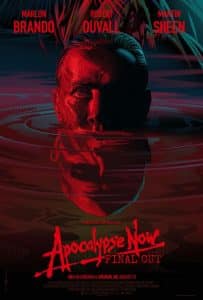 In celebration of its 40 year anniversary Apocalypse Now Final Cut, offers a chance to see the full 180 minute version for the first time ever. Coppola’s spectacular cinematic masterpiece on the big screen and in a Blu-ray version.
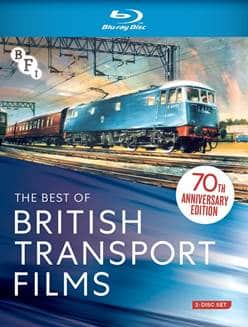 What could be more romantic than a train journey? Even if it feels more like a boys own adventure, as many of these British Transport films do. Escaping into the unknown with a promise of excitement and discovery – or just a trip back in time to revisit childhood holidays in the 1960s and 1970s, where the English landscape stretched far and wide from the window of the pullman out of Waterloo, or even Paddington, and not an anorak in sight!
 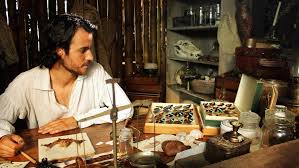 Dir: Mike Slee | Carl Knutson, Wendy MacKeigan | Cast: Calum Finlay, Ed Birch, Billy Postlethwaite, Robert Daws, Louis Partridge | Docudrama 46′
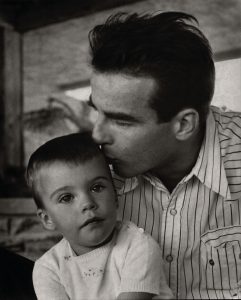 Co-directing and narrating this eye-opening documentary, Robert Clift (who never knew Monty) digs into a treasure trove of family archives and memorabilia (Brooks recorded everything) to reveal an affectionate, fun-loving talent who loved men and dated and lived with women, according to close friends. Monty chose his roles carefully during the ’40s and ’50s, declining to sign a contract to retain complete artistic independence from the studio system with the ability to pick and chose, and re-write his dialogue. This freedom also enabled him to keep much of his private life out of the headlines, although his memory was eventually sullied by tabloid melodrama with his untimely death at only 45. His acting ability and dazzling looks certainly gained him a place in the Hollywood firmament with a select filmography of just 20 features, four of them Oscar-nominated.
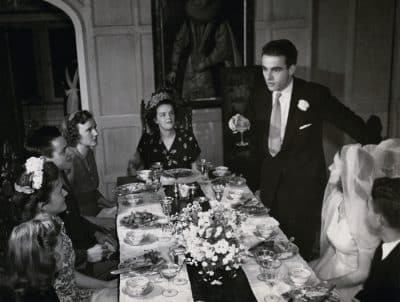 Particularly interesting are Brooks’ conversations with Patricia Bosworth, one of the film’s talking heads and the author of a 1978 biography of Clift that inspired later biographies, but has so far become the accepted version of events, although she apparently got many details wrong and certainly lost out to Jenny Balaban in the Monty relationship stakes, when Barney Balaban (President of Paramount) invited the young actor to join them on a family holiday. He is seen messing around on the beach where he cuts a dash with his good looks and exuberance.
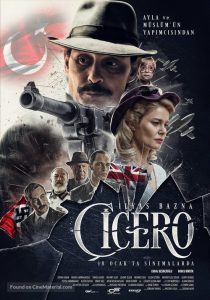 Turkish cinema is known for its captivating widescreen dramas that reflect the cultural diversity and magnificent scenery of a vibrant nation that stretches from Europe to Asia.
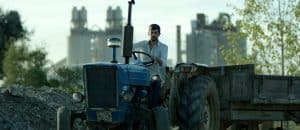 The Golden Tulip winner 2017 YELLOW HEAT (Sari Sicak) sees an immigrant family desperate to survive in their traditional farm amid encroaching industrialisation. The multi-award winning drama YOZGAT BLUES (2013), set in small town Anatolia, is one to watch for its outstanding performances and smouldering cinematography. Banu Sivaci’s THE PIGEON (main image) won best director at Sofia Film Festival 2018 and is another impressive arthouse tale of a boy finding peace with the animal kingdom, away from the dystopian world in small-town Adana, Southern Turkey. And finally MURTAZA another beautifully crafted and resonant parable about the importance of traditional values in the mountains of Malatya.
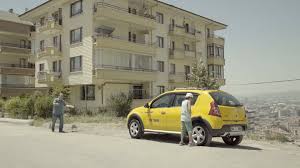 Other features and shorts reflect the usual Turkish themes of town versus country, tradition versus the modern world, and the role of women in enlightened society. Another highlight will be Ahmet Boyacioglu’s latest film THE SMELL OF MONEY a tense and startling exposé of financial corruption in contemporary Turkey. And last but not least, a panel of industry professionals will debate the future of the big screen At the Flicks of Netflix? at the Regent Street Cinema on 26th April.
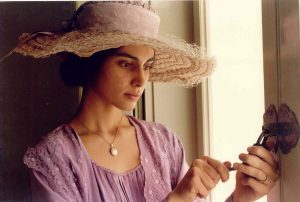 Born in Skopje (Macedonia) in 1943, Godina soon moved with his family to Slovenia in the north where he later joined Ljubljana’s Kino Club Odsev and went on to study at the Academy of Theatre there. Film clubs were everywhere at the time and his early 8mm efforts gained him popularity as he joined the festival circuit, widening his circle as he developed his craft. And although his films often had serious social themes they also frothed with a feelgood sense of joy and irony. Even topics such as religion and army service took on absurdist proportions with his clever writing and light-hearted sense of the ridiculous. And they always looked brilliant thanks to his talent as a cinematographer and his skilful sense of lighting, framing and mise en scène. Trained under strict Soviet principles he never cut corners and was professional to the last during a career which spanned from 1968 to 2003.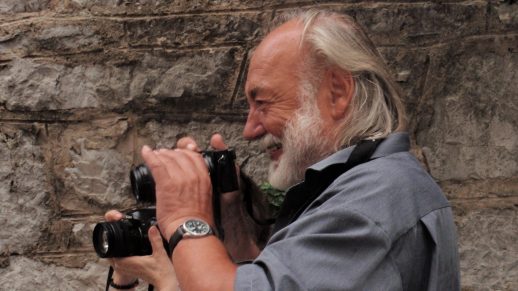
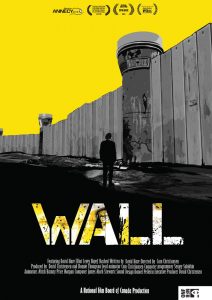 Dir.: Cam Christiansen; Documentary/Animation with David Hare, Elliot Levey, Nayef Rashad; Canada 2017, 82 min.
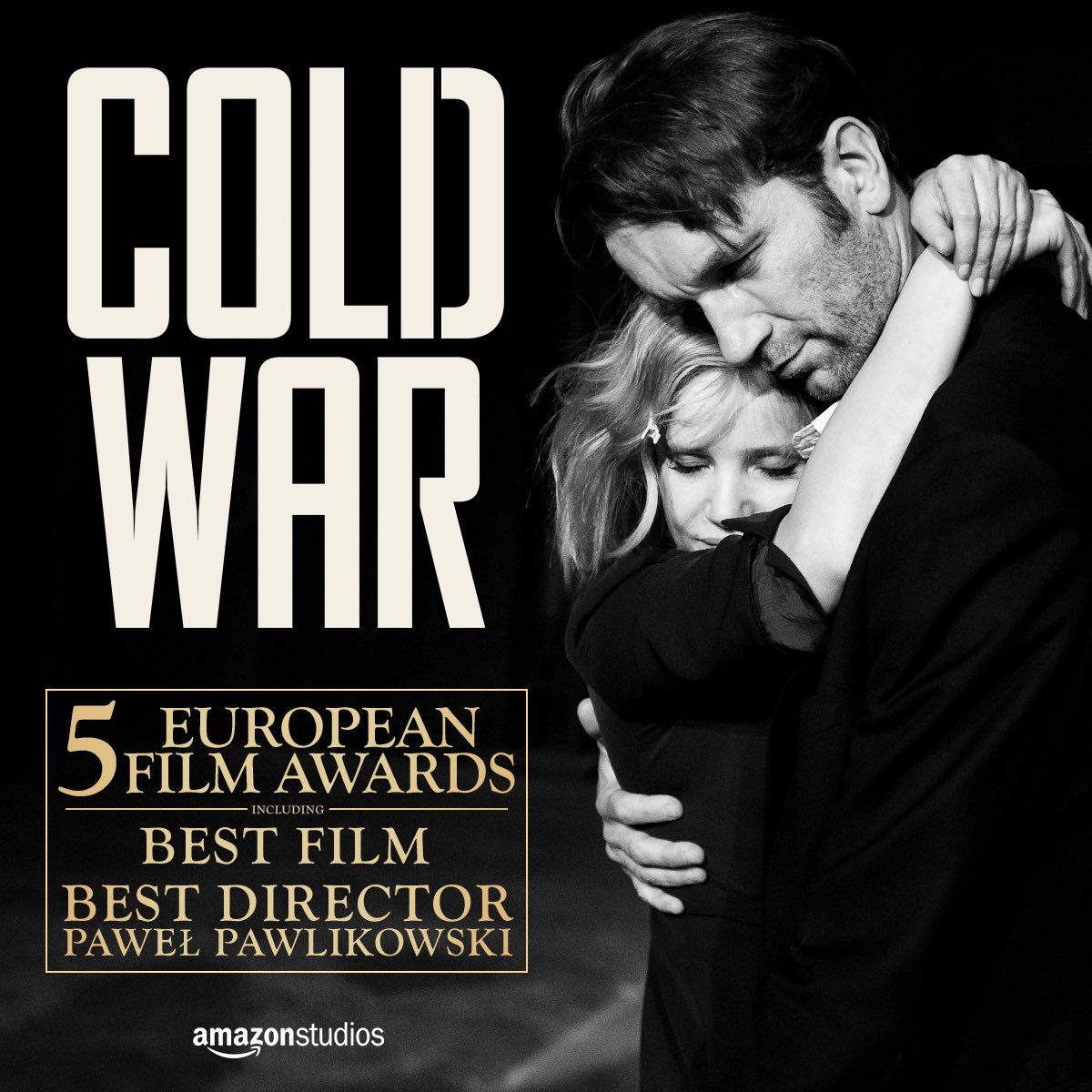
 Dir.: Frank Capra; Cast: James Stewart, Donna Reed, Lionel Barrymore, Henry Travers; USA 1946; 130 min.
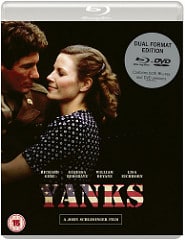 John Schlesinger’s YANKS, a moving and romantic WWII tale of love starring Richard Gere and Vanessa Redgrave is based on Lancashire born Colin Welland’s original story, he also wrote the script.
 Dir: Elizaveta Stishova | Cast:Daniel Daiybekov, Turgunai Erkinbekova, Perizat Ermanbaeva | Drama | Kyrgyzstan | 101′
 THE LAST WALTZ is deeply personal yet timeless in its universal appeal. Martin Scorsese’s love song to rock music is a resounding one, and arguably the best concert film of all time. Dated in its Seventies look, but endearingly so, the doc has been remastered onto bluray, and the result is stunning. The film showcases the legendary rock group The Band’s final farewell concert appearance. Joined on stage by more than a dozen special guests, Van Morrison, Eric Clapton, Neil Young and Joni Mitchell perform their iconic numbers to dazzling effect. The Last Waltz started as a concert, but it became a celebration. In between numbers, Scorsese chats to members of The Band, filmed by master DoPs Laszlo Kovacs and Vilmos Zsigmond. Scorsese’s message to the audience, “this film should be played loud” MT
 Mabel Normand (1892-1930) had a short but eventful life: she was a pioneer of Silent Movies as a star actress (in 220) and director (in 10) between 1910 and 1927. Working alongside Charlie Chaplin, she ended up saving his career at Mack Sennetts’ Keystone – the producer wanted to sack him. Normand also developed Chaplin’s ‘tramp’ screen personality. But she was, more or less, accidentally involved in the murder of William Desmond Taylor and the shooting of Courtland S. Dines, as well as being a friend (and co-star) of ‘Fatty’ Arbuckle, whose life was a series of scandals. Normand suffered for a long time from TB, interrupting her career and leading to her early death at the age of 37.
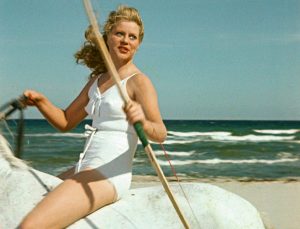 Kristina Söderbaum was Swedish along with several of her compatriots such as Zarah Leander (LA HABANERA) and Ingrid Bergman who appeared in Carl Froelich’s 1938 romantic drama DIE VIER GESELLEN. Then there was the Czech actor Lida Baarova
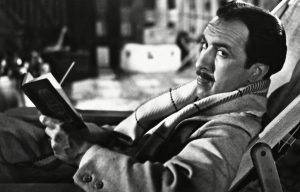 Later reality and feature films moved even closer: DER GROSSE KÖNIG (Veit Harlan 1942) was premiered in parallel with USSR invasion. Male leader figures like Frederick the Great and Frederick I often featured, such as the hero portraits of Schiller, Schlüter and PARACELSUS (GW Pabst, 1943). During the war years, the newsreels lasted on average forty minutes.
 NA-NOO-COBS-NEUN-SAN
 In Twenty-Two Hours, Bouchra Khalili (left) considers how celebrated French writer Jean Genet was invited by the Black Panther Party to secretly visit them in in the U.S in 1970. The film features Doug Miranda, a former prominent member of the Black Panther Party. Echoing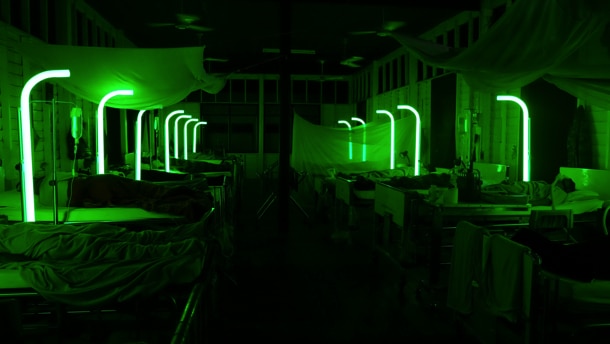
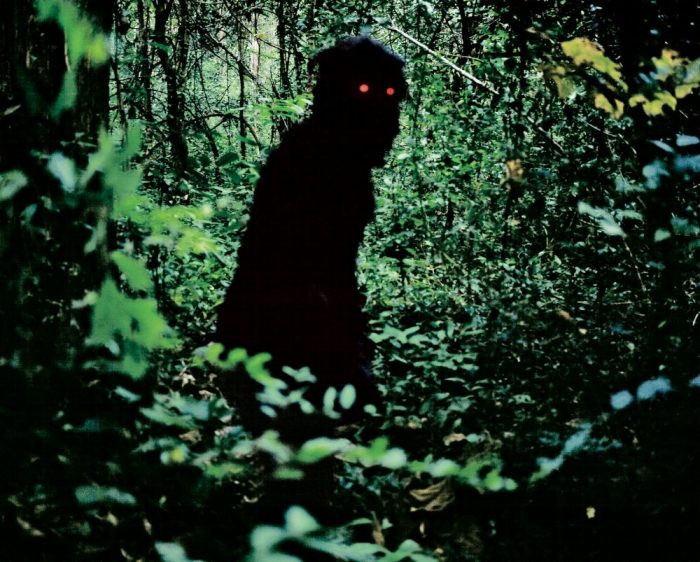
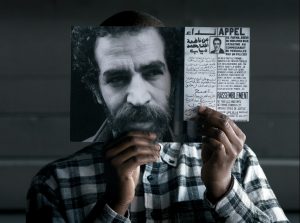 Moroccan-French artist Bouchra Khalili works with film, video and mixed media. Her focus is on ethnic and political minorities examining the complex relationship between the individual and the community. She is also a Professor of Contemporary Art at The Oslo National Art Academy and a founding member of La Cinematheque de Tanger, an artist-run non-profit organisation based in Tangiers, Morocco. She was the recipient of the Radcliffe Institute Fellowship from Harvard University (2017-2018). Her latest film installation is Twenty-Two Hours (2018).
 Dir/DoP: David Bickerstaff | 91′ | Art Doc in
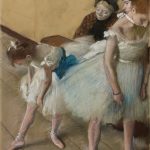 A great collector himself, he was able to buy more painting through sales of his own work, indulging his passion for El Greco, Gauguin and Van Gogh. He idolised the work of Ingrès and his competitor Delacroix. He also developed a passion for photography and often used that to inform his own artwork, and many painters adopt this same technique in portrait painting today.
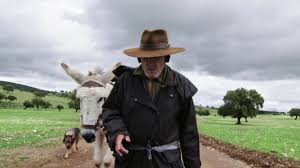 Dir: Cico Pereira | Spain | Doc | 87′
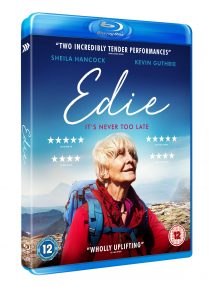 Dir.: Simon Hunter; Cast: Sheila Hancock, Kevin Guthrie, Amy Mason, Wendy Morgan; UK 2017, 102 min.
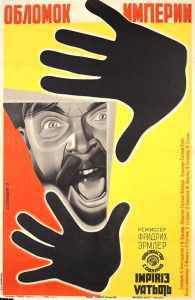 Writer/Dir: Fridrikh Ermler (1898-1976) | Writer: Ekaterina Vinogradskiya | Drama | Russia | 96′
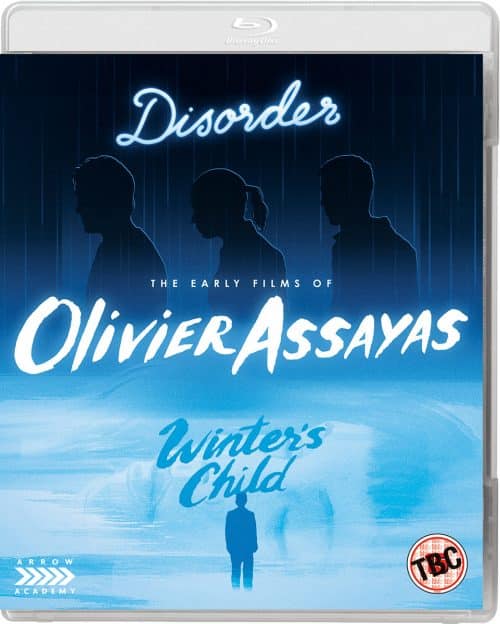 WINTER’S CHILD (L’ENFANT DE L’HIVER) (1989) ****
 Dir: Paul Schrader | Writer: Harold Pinter | Cast: Christopher Walken, Natasha Richardson, Helen Mirren, Rupert Everett | US Thriller | 104′
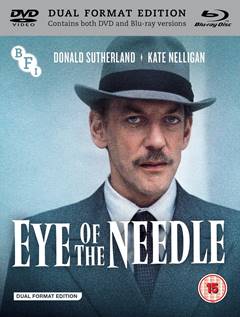 Dir: Richard Marquand | Cast: Donald Sutherland, Kate Nelligan, Christopher Cazenove, | Action Drama | UK |
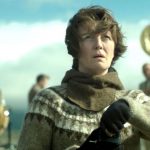 WOMAN AT WAR (2018) – SACD Winner, Cannes Film Festival 2018
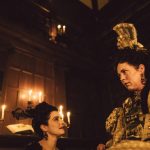 THE FAVOURITE
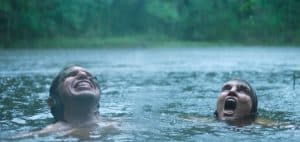
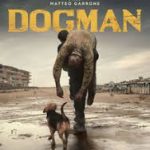 DOGMAN Best Actor, Marcello Forte, Cannes 2018 | Palm Dog Winner 2018
  MADELINE’S MADELINE
 MUSEUM – Best Script Berlinale 2018
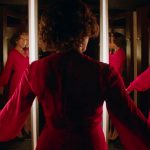 IN FABRIC
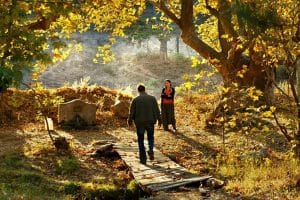 THE WILD PEAR TREE – Palme d’Or, Cannes 2018
  THEY’LL LOVE ME WHEN I’M DEAD (2018)
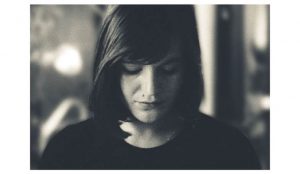 The first female director to win the Golden Lion at the Venice Film Festival, Margarethe von Trotta (1942) is to thank for some of the most trailblazing films over the past five decades. Von Trotta’s wonderfully complex and outspoken female characters have undoubtedly inspired those taking centre stage in films by contemporary directors such as Jane Campion, Andrea Arnold, Lynne Ramsay and Lone Scherfig. One of the most gifted – but often overlooked – directors to emerge from the New German Cinema movement at the same time as Rainer Werner Fassbinder and Werner Herzog – von Trotta has never shied away from topics that resonate with contemporary lives and provoke revolutionary discussion. The power of mass media, historical events, radicalisation and women’s rights, have all been visible elements in her films since the politically turbulent 1970s.
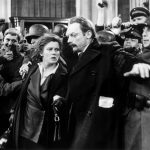 ROSA LUXEMBURG (1986)
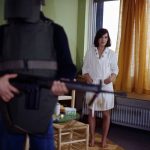 THE LOST HONOUR OF KATHARINA BLUM (1975)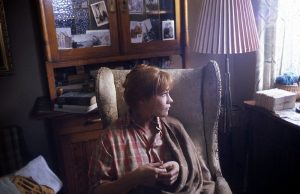
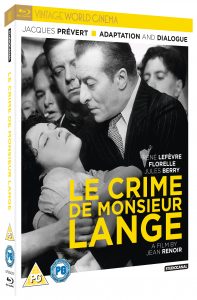 Dir.: Jean Renoir; Cast: Rene Lefevre, Florelle, Jules Berry, Nadia Sibirskaia; France 1936, 80 min.
 EL AMOR MENOS PENSADO
 ANGELO
 DER UNSCHULDIGE / THE INNOCENT
 EL REINO
 ENTRE DOS AGUAS | ISAKI LACUESTA | SPAIN
  HIGH LIFE.
 ILLANG: THE WOLF BRIGADE
 LE CAHIER NOIR / THE BLACK BOOK
 QUIÉN TE CANTARÁ
 ROJO
ROJO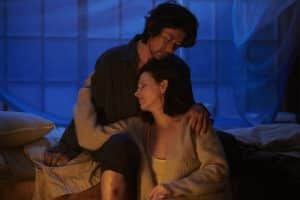 VISION
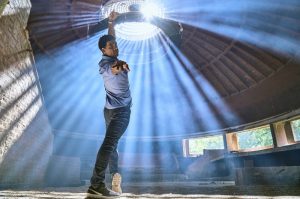 YULI
YULI
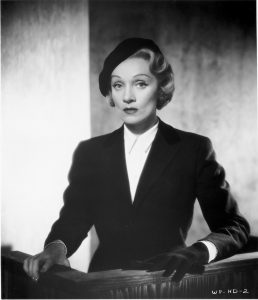 Dir: Billy Wilder | Writers: Billy Wilder, Harry Kurnitz, Lawrence B Marcus | Cast: Marlene Dietrich, Tyrone Power, Charles Laughton, Elsa Lanchester, John Williams, Torin Thatcher, Norma Varden, Una O’Connor | US Crime Drama | 116′
 In the aftermath of Hurricane Katrina, New Orleans traditional jazz musicians gather together to play and talk about the soul of their city which celebrates its 300th Anniversary in 2018.
 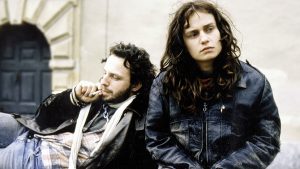 Vagabond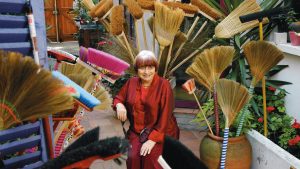
 Dir: Michael Cimino | US War Thriller | 183′
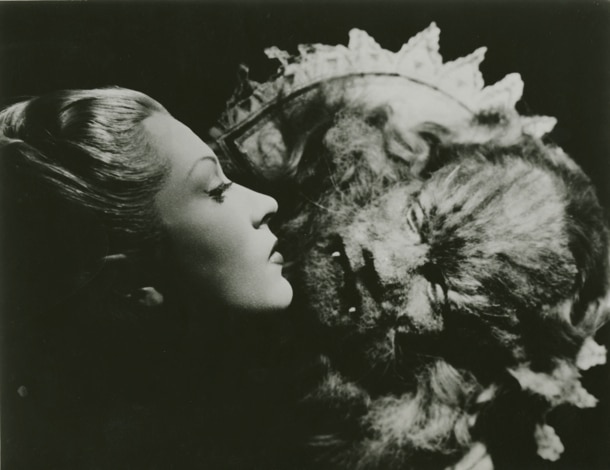
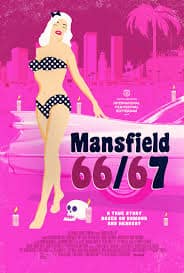 The real Sixties sex symbol Jayne Mansfield is never really revealed in this frivolously flirty film that floats around aimlessly in exploring her ill-fated final years.
 The 21st Edition of Malaga Film Festival kicks off later this week with the accent on Spanish and Latin American titles. All screenings are shown in Spanish and their original languages.