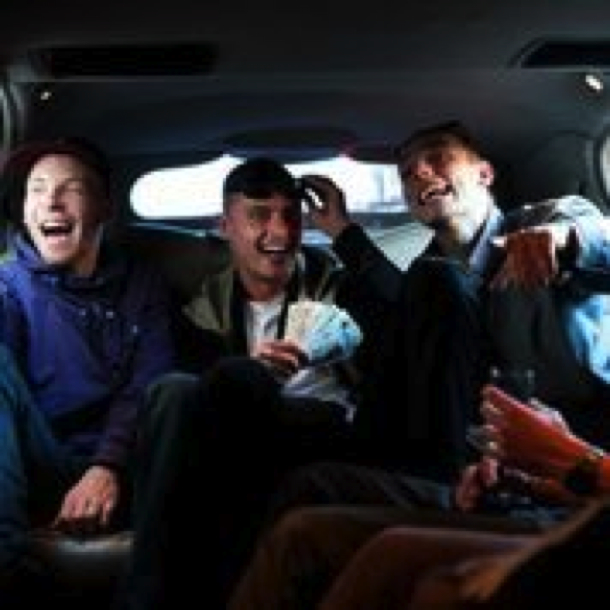
Dir: Garth Jennings | musical Biopic
There is something gloriously unlikely about Pulp’s second act. A band formed in Sheffield in 1978 by a teenage Jarvis Cocker, who initially imagined Pulp more as a fantasy than a future career, has somehow survived the indignities of the toilet circuit, years of obscurity, Britpop fame, a spectacular loss of privacy, a break-up and a reunion — only to find itself filling the O2 decades later. Pulp: What Do You Do for an Encore? turns that improbable journey into an exuberant, affectionate blast of a film.
Directed by Garth Jennings, who has known the band since making their Help the Aged video, the film is built around their huge 2025 O2 performance, but it isn’t simply a concert film. Jennings raids four decades of photographs, television appearances, home movies, memorabilia and previously unseen material, while Cocker provides the wonderfully dry, self-mocking narration.
The origins are particularly enjoyable. Cocker was barely into his teens when he began dreaming up Pulp, even sketching the band and its proposed outfits in a notebook. The early Pulp was a long way from the polished Britpop phenomenon: there were constantly changing line-ups, badly paid gigs, dodgy equipment and an astonishingly long period when success seemed to be happening to everybody except them. Their breakthrough took years, and when it finally came, Different Class transformed them from Sheffield outsiders into one of Britain’s most distinctive bands.
What made Pulp distinctive was never simply the music. Cocker’s songs turned the mundane into the dramatic: sex, class, clothes, jealousy, boredom, aspiration, embarrassment and the strange rituals of ordinary British life. Musically, the band evolved from the art-school/new-wave eccentricity of their early years into the exuberant, disco-inflected pop of Different Class, before taking a much darker, more decadent turn with This Is Hardcore. Their sound could be witty, glamorous, sleazy, melancholic and danceable — often within the same song. The sophistication was in the contrast: irresistible pop music carrying stories about people who were anything but pop-star material.
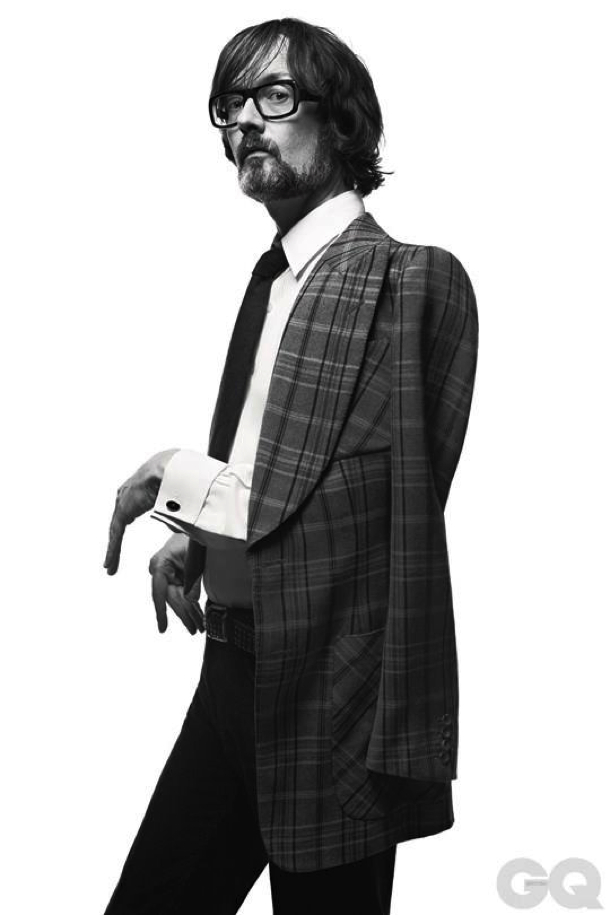
That history gives the concert footage its charge. These aren’t simply ageing rockers going through the motions. Cocker remains a magnificently strange frontman, all elongated limbs, extravagant gestures and that wonderfully ambiguous mixture of awkwardness and supreme theatrical confidence. The great songs — Babies, Disco 2000, Do You Remember the First Time?, Common People — erupt with the infectiousness of music that has somehow escaped its era. The fact that a younger generation is now singing every word only makes the whole enterprise more exhilarating.
So, is it a concert documentary? Yes — but only partly. The live performances are the engine, while the archive supplies the memory. The talking-head material is less conventional than that description suggests, too. Rather than filling the screen with an endless procession of critics explaining why Pulp mattered, Jennings largely lets Cocker and the band’s own history do the work. The old interviews and scraps of television are particularly revealing because they show just how odd, determined and unglamorous Pulp’s early existence really was. The film is strongest when those fragments collide with the present-day band: the young Cocker with his impossible ambitions suddenly giving way to the older Cocker standing before 20,000 people.
Visually, it is terrific fun. Jennings approaches the material almost like a giant Pulp scrapbook or pop-art collage, throwing together grainy archive footage, photographs, memorabilia, graphic elements and the enormous, neon-lit O2 production. The stage itself becomes part of the spectacle, with sweeping lights, projections and a string section giving the old songs a surprisingly grand new scale.
And yet the film wisely understands that Pulp’s magic isn’t really about spectacle. One of its most affecting moments is the stripped-back tribute to bassist Steve Mackey, who died in 2023. Suddenly the arena disappears and the emotional weight of the band’s history comes into focus. (
There are moments when you might wish Jennings had dug a little deeper into the band’s later history rather than returning to another song. But perhaps that misses the point. What Do You Do for an Encore? isn’t trying to be the definitive Pulp biography. It’s a celebration — a colourful, funny, affectionate reminder of what happens when a bunch of misfits who once seemed destined for obscurity discover, decades later, that the songs they made about ordinary life have become anything but ordinary.
By the time Common People arrives, with the O2 transformed into a mass singalong, resistance is pretty much futile. Pulp may have started as Jarvis Cocker’s teenage fantasy. This film shows that, against all the odds, the fantasy is still very much alive.
The film will release exclusively on MUBI from 25 September 2026,

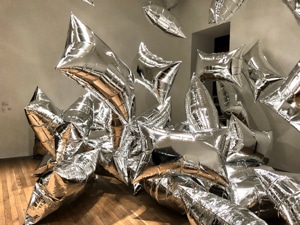 Merce was also passionate about working with artists from other disciplines including composer John Cage, Cunningham’s longterm partner; the painter Robert Rauschenberg; and Andy Warhol whose collaboration is particularly striking in Merce’s 1968 Sci-fi themed dance work Rainforest which featured Warhol’s metallic helium-filled silver balloons (the Silver Clouds) that float around the dancers like something from outer space.
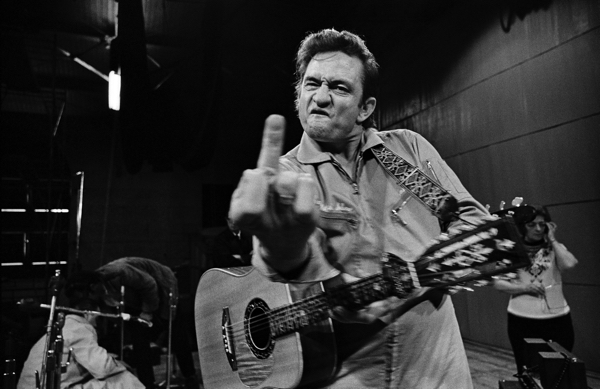
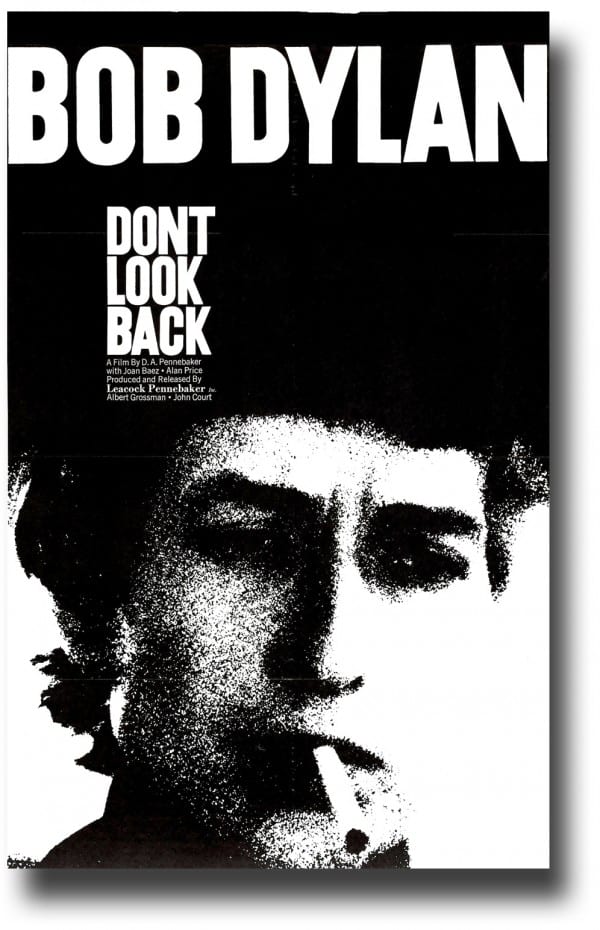


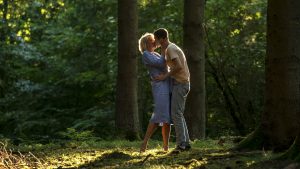

 THE LAST WALTZ is deeply personal yet timeless in its universal appeal. Martin Scorsese’s love song to rock music is a resounding one, and arguably the best concert film of all time. Dated in its Seventies look, but endearingly so, the doc has been remastered onto bluray, and the result is stunning. The film showcases the legendary rock group The Band’s final farewell concert appearance. Joined on stage by more than a dozen special guests, Van Morrison, Eric Clapton, Neil Young and Joni Mitchell perform their iconic numbers to dazzling effect. The Last Waltz started as a concert, but it became a celebration. In between numbers, Scorsese chats to members of The Band, filmed by master DoPs Laszlo Kovacs and Vilmos Zsigmond. Scorsese’s message to the audience, “this film should be played loud” MT
 In the aftermath of Hurricane Katrina, New Orleans traditional jazz musicians gather together to play and talk about the soul of their city which celebrates its 300th Anniversary in 2018.
  An Evening With Beverly Luff Linn (Director: Jim Hosking,
 Eighth Grade (Director/Screenwriter: Bo Burnham) – Thirteen-year-old Kayla endures the tidal wave of contemporary suburban adolescence as she makes her way through the last week of middle school — the end of her thus far disastrous eighth grade year — before she begins high school.
 Generation Wealth (Director: Lauren Greenfield) – Lauren Greenfield’s postcard from the edge of the American Empire captures a portrait of a materialistic, image-obsessed culture. Simultaneously personal journey and historical essay, the film bears witness to the global boom–bust economy, the corrupted American Dream and the human costs of late stage capitalism, narcissism and greed.
 Half the Picture (Director: Amy Adrion) – At a pivotal moment for gender equality in Hollywood, successful women directors tell the stories of their art, lives and careers. Having endured a long history of systemic discrimination, women filmmakers may be getting the first glimpse of a future that values their voices equally.
 Hereditary (Director/Screenwriter: Ari Aster) – After their reclusive grandmother passes away, the Graham family tries to escape the dark fate they’ve inherited.
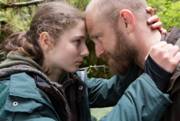 Leave No Trace (Director: Debra Granik, Screenwriters: Debra Granik, Anne Rosellini) – A father and daughter live a perfect but mysterious existence in Forest Park, a beautiful nature reserve near Portland, Oregon, rarely making contact with the world. A small mistake tips them off to authorities sending them on an increasingly erratic journey in search of a place to call their own.
 The Miseducation of Cameron Post (Director: Desiree Akhavan, Screenwriters: Desiree Akhavan, Cecilia Frugiuele) –1993: after being caught having sex with the prom queen, a girl is forced into a gay conversion therapy center. Based on Emily Danforth’s acclaimed and controversial coming-of-age novel.
 Never Goin’ Back (Director/Screenwriter: Augustine Frizzell) –Jessie and Angela, high school dropout BFFs, are taking a week off to chill at the beach. Too bad their house got robbed, rent’s due, they’re about to get fired and they’re broke. Now they’ve gotta avoid eviction, stay out of jail and get to the beach, no matter what!!!
 Skate Kitchen (Director: Crystal Moselle, Screenwriters: Crystal Moselle, Ashlihan Unaldi) – Camille’s life as a lonely suburban teenager changes dramatically when she befriends a group of girl skateboarders. As she journeys deeper into this raw New York City subculture, she begins to understand the true meaning of friendship as well as her inner self.
 The Tale (Director/Screenwriter: Jennifer Fox) – An investigation into one woman’s memory as she’s forced to re-examine her first sexual relationship and the stories we tell ourselves in order to survive; based on the filmmaker’s own story.
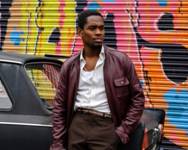 Yardie (Director: Idris Elba, Screenwriters: Brock Norman Brock, Martin Stellman) – Jamaica, 1973. When a young boy witnesses his brother’s assassination, a powerful Don gives him a home. Ten years later he is sent on a mission to London. He reunites with his girlfriend and their daughter, but then the past catches up with them. Based on Victor Headley’s novel.