

Dir: Jane Schoenbrun | US Drama 2026
Teenage Sex and Death at Camp Miasma gleefully pitches itself somewhere between an eighties slasher, an awkward coming-of-age comedy and a knowing satire of horror clichés. Rather than simply paying homage to the genre’s blood-soaked heyday, it delights in twisting expectations, teasing the audience with familiar setups before steering them somewhere stranger and more emotionally astute.
A group of teenagers arrive at the isolated Camp Masma expecting little more than a summer of flirting, rivalry and adolescent freedom. Instead they find themselves trapped in an increasingly sinister nightmare as unexplained disappearances, grisly murders and buried secrets transform youthful abandon into outright terror. The script cleverly balances mystery with mordant humour, allowing its characters enough room to breathe before tightening the noose.
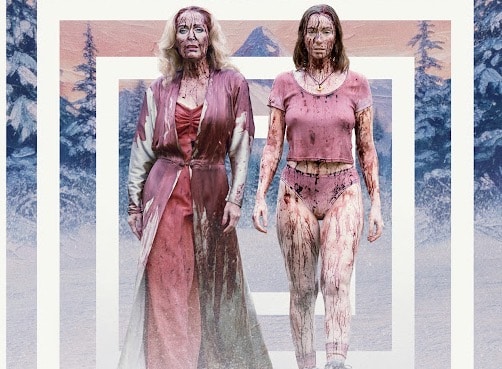
Jane Schoenbrun directs with a firm grasp of the slasher rulebook, then gleefully tears it apart. Known for turning genre conventions into deeply personal cinema, Schoenbrun transforms what could have been a simple horror pastiche into something more elusive and psychologically unsettling. Hannah Einbinder is superb as Kris, a young filmmaker whose obsession becomes increasingly intimate and dangerous, while Gillian Anderson delivers one of her most enigmatic performances in years as Billy, the reclusive original “final girl,” balancing icy charisma with flashes of vulnerability. Patrick Fischler lends eccentric gravitas as Rudolph, and the supporting cast, including Jasmin Savoy Brown, Zach Cherry and Jack Haven, ground the film’s strange universe without letting its heightened premise tip into camp.
The young ensemble proves surprisingly engaging. Rather than relying on disposable horror stereotypes, the cast gives the campers recognisable insecurities and believable chemistry: Friendships fray, romances blossom and loyalties shift with convincing ease, making the inevitable body count carry genuine dramatic weight. The standout performances come from those who understand the film’s delicate tonal balancing act, delivering comic timing without undercutting the mounting dread.
Visually, director and cinematographer embrace the mythology of the summer camp. Sunlit forests and shimmering lakes initially promise nostalgic freedom before becoming shadow-filled labyrinths where every rustling branch suggests imminent danger. Richly saturated colours evoke vintage horror while fluid tracking shots and carefully composed widescreen images keep the suspense simmering. Night sequences are particularly effective, illuminated just enough to reveal lurking shapes without sacrificing mystery.
The narrative unfolds with deceptive confidence. What begins as a familiar slasher framework gradually reveals deeper layers involving long-suppressed trauma, local folklore and generational guilt. Flashbacks are woven into the action with unusual elegance, expanding the mythology without interrupting the momentum, while the screenplay repeatedly wrong-foots viewers who think they have identified both killer and motive.
The film’s greatest strength lies in its refusal to choose between horror and humour. Witty dialogue and self-aware references generate plenty of laughs, yet the violence lands with uncomfortable force when it arrives. That uneasy collision of comedy and brutality gives the picture an energy missing from many modern genre exercises, avoiding both parody and po-faced seriousness.
Not every twist lands cleanly, and the closing revelations perhaps explain a little too much after such enjoyably enigmatic build-up. Even so, the climax delivers satisfying emotional resolution alongside the expected carnage, leaving audiences with more than simply another masked killer dispatching attractive teenagers.
Bloody, funny and unexpectedly poignant, Teenage Sex and Death at Camp Miasma proves that even one of cinema’s most exhausted genres can still find fresh life when filmmakers bring wit, visual flair and genuine affection for their characters along with the buckets of fake blood.
IN UK CINEMAS 6 August | CANNES CRITICS’ WEEK JURY PRIZE 2026