
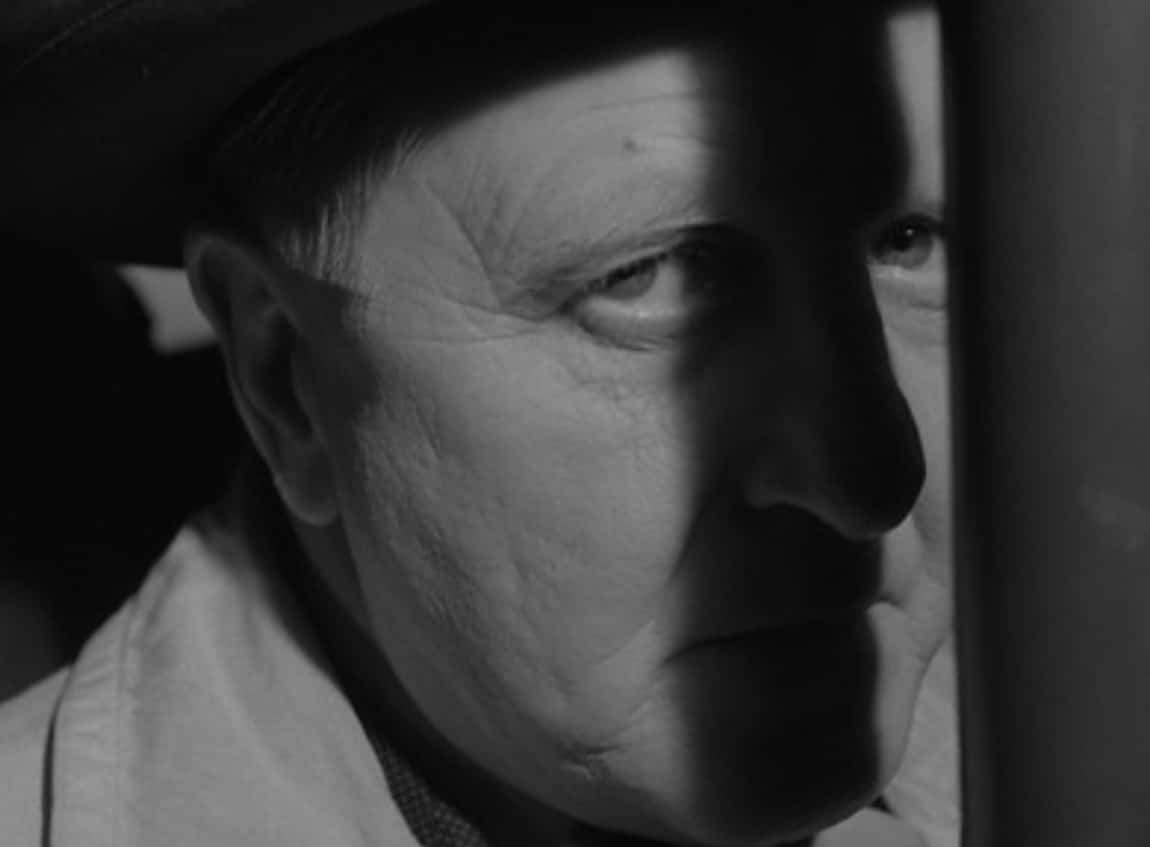

STOCKHOLM AFTER DARK: SWEDISH NOIR
Before Scandinavian crime became a global obsession, Sweden was already doing darkness rather beautifully.
STOCKHOLM AFTER DARK: SWEDISH NOIR brings together five rarely seen Swedish crime, mystery and noir classics made between 1938 and 1953 — including two starring a very young Ingrid Bergman.
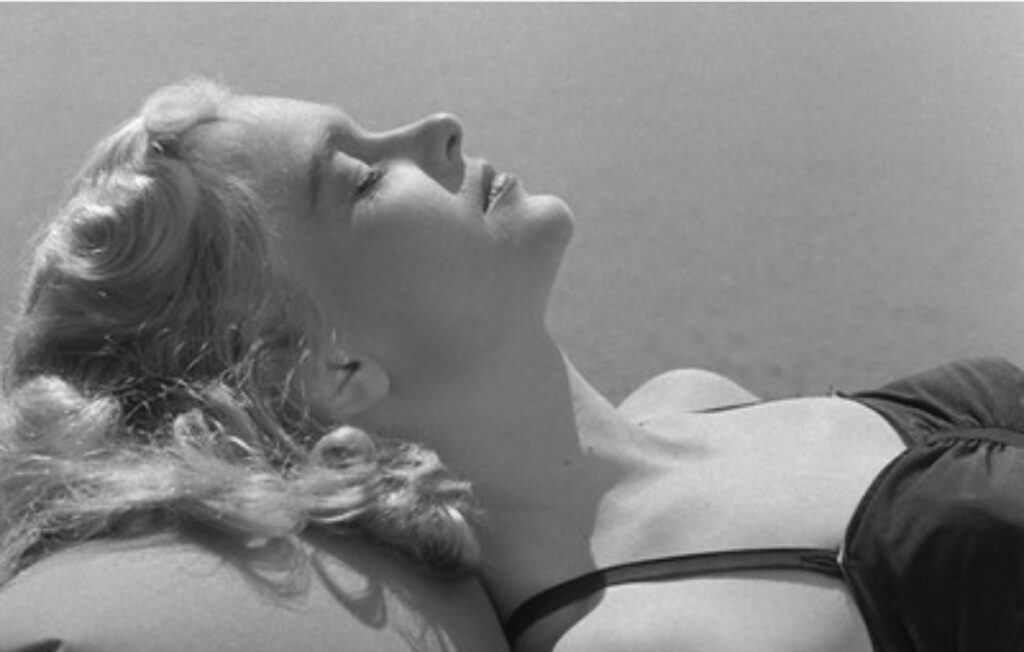
Swedish cinema was producing crime pictures in earnest from the late 1930s, and by the post-war years had developed its own deliciously gloomy take on noir. The ingredients are familiar enough — blackmail, murder, damaged lovers, femme fatales, criminals and doomed romances — but the Swedish version comes with a distinctly cooler, stranger Scandinavian edge. Social anxiety and sexual politics simmer beneath the shadows, often with a frankness that feels surprisingly modern.
And then there are the stars. Ingrid Bergman appears twice, alongside Eva Henning, while behind the camera and script are names including Hasse Ekman, Gustaf Molander and, intriguingly, Ingmar Bergman.
A Woman’s Face, in which Bergman plays a disfigured blackmailer whose bitterness has hardened into violence, until an unexpected chance at redemption presents itself. In June Night, she is a woman who shoots her lover, survives the subsequent trial and escapes to Stockholm in search of a new beginning. Romance, guilt and reinvention: noir Swedish style.
Hasse Ekman — director of the sublime Girl with Hyacinths — takes us into the claustrophobic world of While the Door Was Locked, where the residents of one apartment block are trapped together over a single fateful night. By morning, tragedy will have knocked on more than one door.
While the City Sleeps is built around a story concept by Ingmar Bergman and centred on a psychopathic young criminal whose teenage gang is beginning to disintegrate. Finally, Hidden in the Fog casts Eva Henning as a woman under suspicion for her husband’s murder — hardly the sort of morning-after problem solved by a strong coffee.
What makes these films especially seductive is the way they absorb the visual grammar of noir — pools of shadow, stark chiaroscuro, expressionistic camerawork and faces that seem permanently haunted — while giving it a distinctly Swedish temperament. These aren’t simply imported Hollywood conventions in northern clothing. They are moodier, more socially observant and often considerably more sexually candid.
STOCKHOLM AFTER DARK offers a glimpse into a Swedish cinema already discovering that darkness has its own particular allure — long before “Scandi noir” became a Netflix genre, a reminder that Sweden was making crime beautifully bleak long before we learned to call it Nordic noir.
On Blu-ray | 23 November | Eureka Masters of Cinema