

Dir: Barnaby Thompson | UK, 2026 | Documentary | 101’
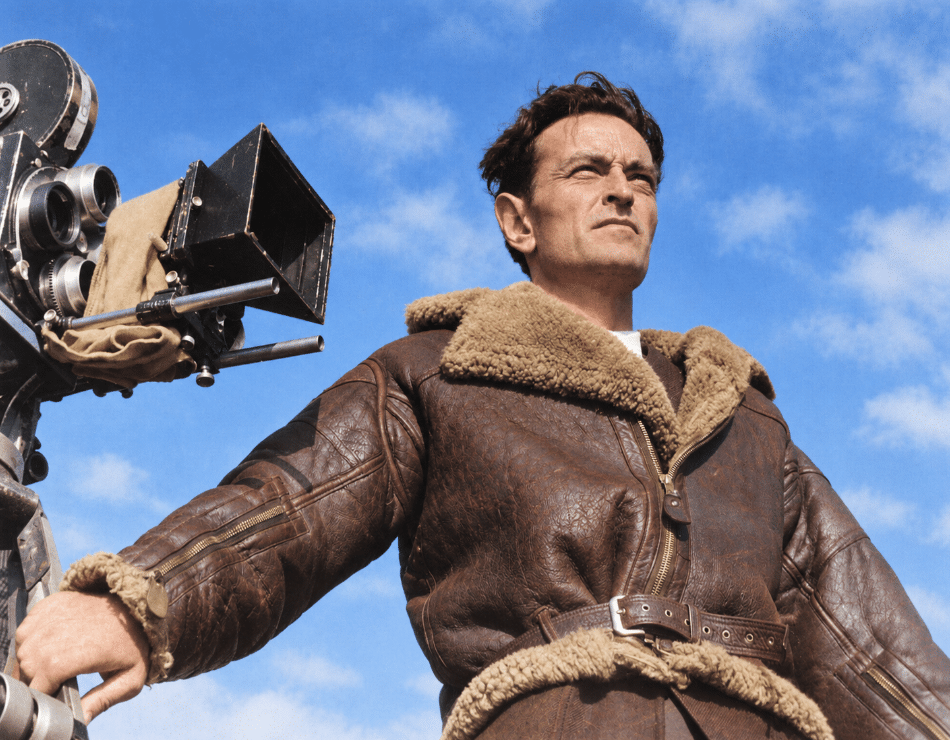
David Lean may have been the ultimate cinematic control freak, but few directors have ever made the business of filmmaking look quite so magnificent. From the intimate emotional devastation of Brief Encounter to the monumental desert vistas of Lawrence of Arabia, Lean possessed an almost imperial command of the screen. Yet behind the immaculately composed images lay a rather less orderly existence. Barnaby Thompson’s powerful, propulsive portrait sets out to explore both sides of this extraordinary filmmaking life.
Narrated by Cate Blanchett, with Kenneth Branagh voicing Lean through his personal letters and writings, Maverick assembles an impressive contemporary roll-call of admirers. Francis Ford Coppola, Steven Spielberg, Wes Anderson, Denis Villeneuve, Alfonso Cuarón, Paul Greengrass, Celine Song and Nia DaCosta are among those reflecting on the director’s influence, while cinematographer Autumn Durald Arkapaw offers an appreciation of his extraordinary visual intelligence.
The journey begins in considerably less glamorous territory. Born into a strict Quaker household in Croydon in 1908, Lean endured an emotionally impoverished childhood, compounded by a dismissive father who regarded his son as something of a disappointment. Dyslexic and struggling academically, the young Lean found his escape in the cinema, eventually discovering his calling in the cutting room before graduating to directing. It is a particularly compelling aspect of the documentary that the boy who was denied the pleasures of cinema should eventually become one of its most commanding architects.
Thompson charts the remarkable evolution from early collaborations with Noël Coward, including In Which We Serve and Brief Encounter, through the Dickens adaptations Great Expectations and Oliver Twist, before the international productions that would establish Lean as a master of the widescreen epic. The Bridge on the River Kwai, Lawrence of Arabia and Doctor Zhivago receive their deserved attention, with behind-the-scenes footage providing a fascinating glimpse of the sheer logistical audacity involved in bringing these enormous undertakings to the screen.
There is something particularly exhilarating about watching Lean at work: the meticulous preparation, the military-like organisation of huge casts and crews, and the unshakeable determination to get precisely the image he wanted. The footage from Ryan’s Daughter, in particular, reveals a director prepared to push both himself and his performers to extraordinary lengths in pursuit of perfection. His obsessive approach could produce breathtaking results, although the human cost was not always insignificant.
Indeed, the documentary is at its most interesting when it moves beyond the familiar celebration of cinematic achievement. Lean’s private life was famously turbulent. Six marriages, numerous relationships and a persistent inability to establish emotional stability provide a striking counterpoint to the great romantic narratives he created.
There is a poignant irony in the fact that the man responsible for some of cinema’s most enduring screen romances appeared considerably less successful at sustaining them in reality. Thompson makes useful connections between the emotional dislocation of Lean’s personal history and the themes of loneliness, longing and separation that recur throughout his films.
The result is a compelling collection of contradictions: a man capable of imposing extraordinary order on the most complicated film production, yet apparently unable to exercise anything approaching the same control over his own affairs. Blanchett’s measured narration provides an elegant framework, while Branagh’s reading of Lean’s often intensely intimate correspondence adds a welcome degree of insight.
There are, inevitably, limitations. The parade of distinguished contemporary filmmakers occasionally threatens to become an extended exercise in mutual admiration, and the film is more comfortable celebrating Lean’s genius than interrogating some of the less attractive aspects of his character. His notoriously demanding temperament, the consequences for those working alongside him and the more problematic aspects of his later filmmaking career could have received fuller examination. Nor does the documentary always probe deeply enough into the technical mechanics of his extraordinary visual language.
Nevertheless, this is far more than a dutiful exercise in cinematic nostalgia. At a time when the theatrical experience is increasingly challenged by streaming, shrinking screens and diminishing ambitions, Lean’s commitment to scale, spectacle and the sheer physical possibilities of filmmaking feels especially pertinent. His films were made to be experienced collectively, on the largest screen possible, and their influence remains evident in the work of many of today’s most ambitious directors.
Thompson’s documentary may not fundamentally rewrite the history of David Lean, but it does something arguably more valuable: it reminds us why his films mattered, how extraordinarily difficult they were to make and why their visual and emotional power has survived successive generations.
A handsome, absorbing and frequently exhilarating tribute to a cinematic maverick. The ultimate recommendation is perhaps the simplest one: leave the documentary wanting to revisit the films themselves. Preferably on a very large screen.
IN UK CINEMAS FROM 4 DECEMBER 2026