

Dir: Arie and Chuko Esiri | Nigeria, Drama 2026
Clarissa is an ambitious reworking of Virginia Woolf’s Mrs Dalloway, relocating its exploration of love, regret and social privilege to contemporary Nigeria. The result is an intelligent, visually striking film that favours emotional undercurrents over conventional dramatic excitement. It is less concerned with what happens than with the lives its characters might have led.
Sophie Okonedo is superb in the title role, conveying a woman whose polished exterior conceals disappointments and unresolved longings. Her performance is beautifully restrained: small changes in expression and fleeting moments of hesitation reveal more than any grand emotional outburst could. David Oyelowo brings considerable sensitivity to Peter, a man still wrestling with the consequences of youthful choices, while the younger cast members, particularly India Amarteifio and Toheeb Jimoh, give the flashbacks an immediacy and romantic energy that make the characters’ later disillusionment all the more poignant.
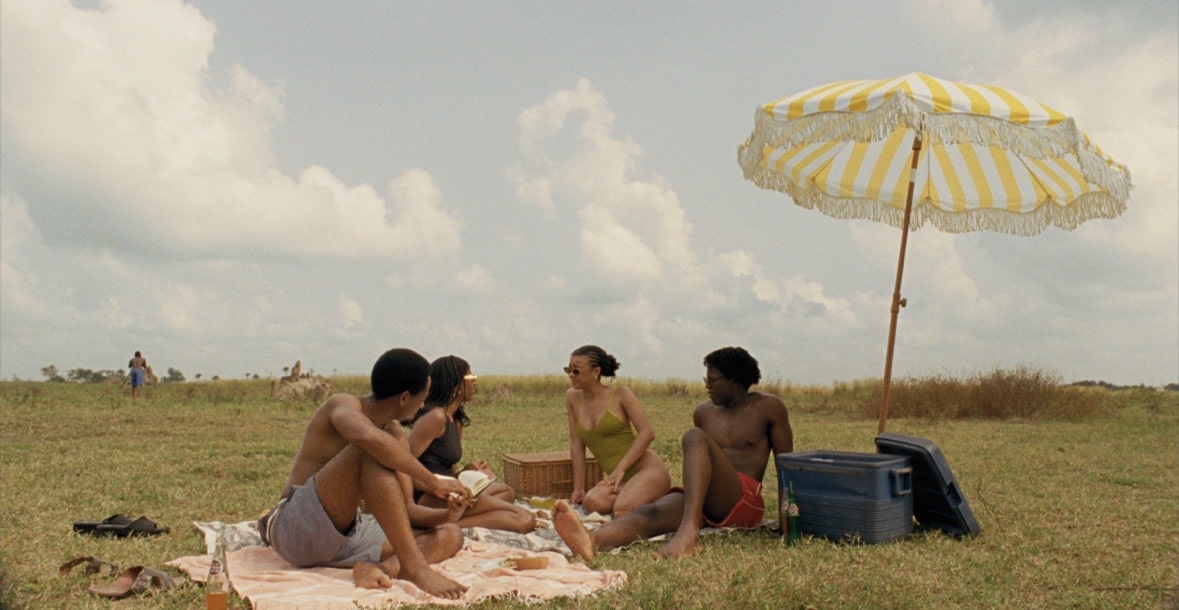
Visually, the film is a considerable achievement. Jonathan Bloom’s cinematography makes evocative use of water, vegetation, shifting light and the textures of the Nigerian landscape. Interiors and architectural details also have a purpose, reflecting the distance between the characters’ comfortable surroundings and their private unease. The contrast between the warmth of remembered youth and the more restrained atmosphere of the present is especially effective. Rather than simply illustrating the story, the images communicate the passage of time and the weight of memory.
The direction is assured and thoughtful. The Esiri brothers handle the shifts between past and present with considerable skill, allowing different periods of the characters’ lives to illuminate one another. Their decision to bring Woolf’s preoccupations into a Nigerian setting also gives the material a fresh political dimension, touching on class, colonial history and the inequalities that persist beneath a sophisticated social world. Occasionally, however, the film’s poetic approach becomes a little too deliberate. Its leisurely pacing and symbolic imagery can make certain passages feel overworked, while the emphasis on mood sometimes comes at the expense of forward momentum.
Is it enjoyable? Yes, provided you appreciate contemplative cinema rather than a fast-moving plot. There is subtle humour, romantic melancholy and genuine emotional depth, but relatively little in the way of uncomplicated entertainment. At around two hours, its measured tempo may test the patience of viewers who prefer sharper narrative turns or more overtly dramatic performances.
Ultimately, Clarissa is a distinguished piece of filmmaking, elevated by Okonedo’s nuanced central performance, a strong ensemble and cinematography of real beauty. It is not flawless: its solemnity occasionally threatens to overwhelm its humanity. Nevertheless, the film rewards attention, leaving a lingering impression of the compromises people make, the opportunities they lose and the persistent ache of wondering what might have been. A graceful, thoughtful drama with a melancholy heart
SCREENING DURING LONDON FILM FESTIVAL