

Dir: Giuseppe Tornatore | Doc 2026
Like one of Brunello’s own meticulously realised creations, this absorbing documentary is built with patience, precision and an unwavering eye for beauty.
Rather than assembling a conventional cradle-to-career biography, the film unfolds almost like one of Brunello’s own creations: carefully layered, tactile and deeply considered. It begins with intimate glimpses of his daily rituals before widening into an exploration of the landscape, traditions and people that have shaped his worldview. The result is less a documentary about success than an immersion into a way of seeing.
Brunello emerges as an artist who has spent decades resisting the disposable nature of modern culture. Whether discussing the importance of patience, the dignity of manual work or the responsibility that comes with creating objects intended to last, his vision feels quietly radical in an era driven by speed and excess. The film never mistakes serenity for passivity, revealing instead an uncompromising perfectionist whose calm exterior masks relentless determination.
More than simply charting a remarkable career, the documentary places Brunello within the wider tradition of Italian craftsmanship and humanist thinking. His belief that beauty, culture and commerce can coexist without compromising one another becomes the film’s central theme, revealing a figure whose influence extends well beyond his chosen discipline. It is an inspiring portrait of someone who has transformed personal conviction into an enduring creative philosophy.
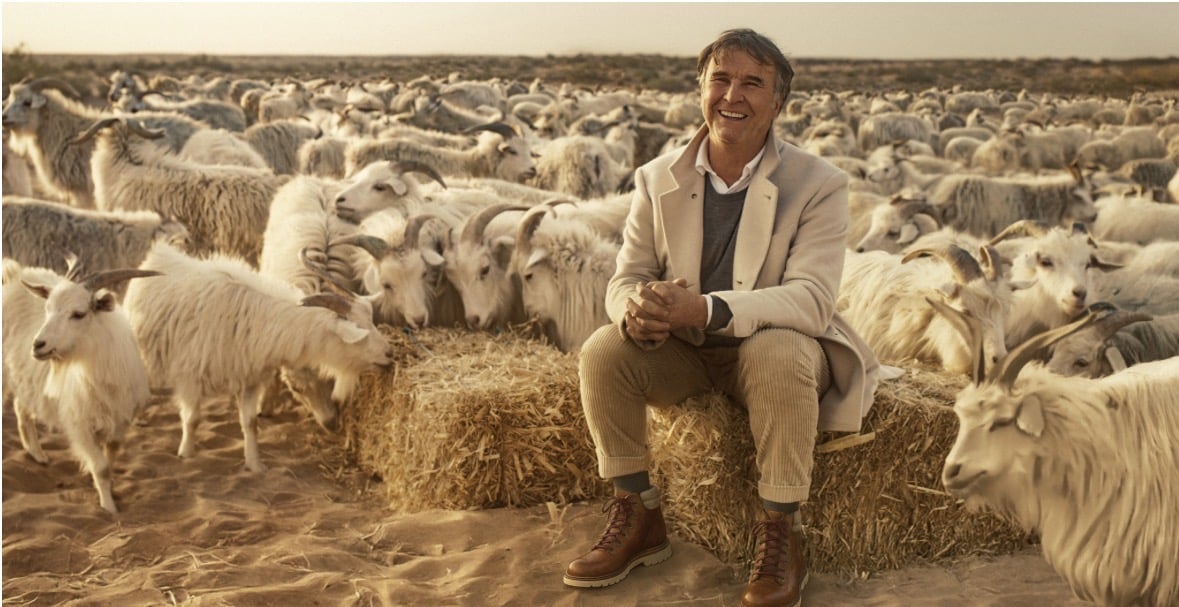
Visually, the documentary is ravishing. The camera lingers over weathered stone, shafts of Tuscan light and the textures of natural materials with the eye of a Renaissance painter. Every frame seems composed to echo Brunello’s belief that beauty is inseparable from authenticity. Interiors glow with warm earth tones, while sweeping aerial photography places his work within the timeless rhythms of the Umbrian countryside. Even moments of silence become expressive, allowing the landscape itself to become a character.
What gives the film its dramatic momentum is the gradual unveiling of the man behind the public image. As colleagues, family and collaborators add their perspectives, Brunello becomes less an icon than a restless thinker forever searching for harmony between creativity and conscience. Setbacks and moments of doubt are woven naturally into the narrative, preventing the portrait from slipping into hagiography. The emotional stakes build almost imperceptibly until the closing passages carry an unexpectedly moving resonance.
The editing deserves particular praise for resisting easy chronology. Themes recur like motifs in a piece of music, with conversations, archive material and observational footage flowing together in a rhythm that feels both meditative and compelling. The score complements rather than overwhelms, giving the imagery space to breathe.
For audiences expecting a brisk business success story, Brunello may seem deliberately unhurried. Yet that measured pace becomes one of its greatest strengths, inviting viewers to slow down and engage with ideas that are increasingly rare in contemporary cinema as much as in contemporary life.
Elegant, intelligent and quietly inspirational, Brunello is ultimately less about a celebrated artist than about the enduring value of craftsmanship, humanism and creating with purpose. Like the finest works of its subject, it favours lasting resonance over instant gratification, leaving behind images and ideas that continue to linger long after the credits fade.
IN CINEMAS 24 July