

Dir: Ilan Azoulai | Doc 2026
There is a temptation when making a documentary about prostitution, addiction and human trafficking to push the audience toward outrage. Holy Ghetto chooses a more difficult route. It asks us to sit with people rather than issues, and in doing so finds something far more unsettling than easy moral judgment.
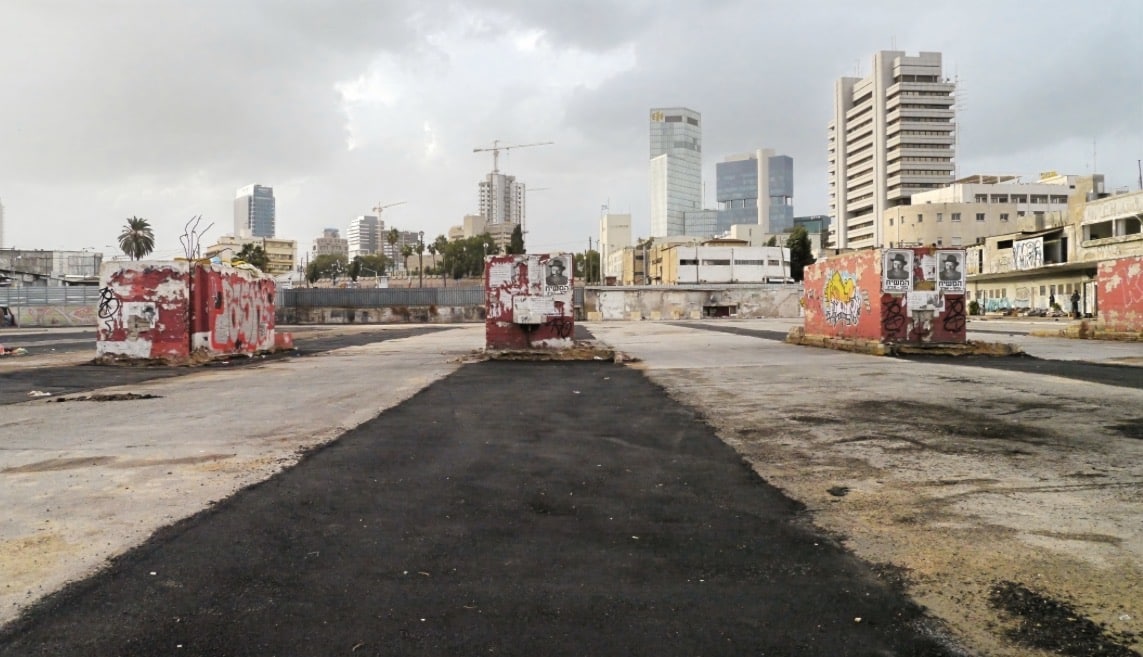
Filmed over many years in Tel Aviv’s neglected red-light district, the documentary follows four individuals whose lives intersect in unexpected ways. Olga carries the scars of being trafficked as a teenager, her story unfolding not as a tale of victimhood but as a portrait of survival. Yana, battling addiction while trying to reclaim her role as a mother, becomes the film’s emotional heartbeat.
Ohad, a former trafficker confronting the wreckage left behind by his past choices, provides the documentary’s most uncomfortable perspective. Then there is Dave, an American missionary whose shelter serves as both sanctuary and crossroads, bringing these fractured lives into contact.
What separates Holy Ghetto from countless social-issue documentaries is its refusal to simplify anyone. Sinners reveal unexpected tenderness. Recovery moves forward and backward in the same breath. The film understands that real lives are messy and rarely fit in to easy charactisation.
Visually, director iLan Azoulai embraces a rough, immersive style. The camera feels embedded within the neighbourhood rather than positioned above it. Nighttime streets glow with harsh neon and sodium light, while cramped interiors create a sense of claustrophobia that mirrors the emotional confinement of many subjects. The images have the texture of lived experience rather than crafted spectacle.
The documentary’s most memorable visual device arrives through sand-art sequences that reconstruct memories too painful or impossible to capture directly. Instead of feeling decorative, these moments function like fragments of collective memory, giving shape to trauma without sensationalising it.
What lingers is not the sqalidness but the stubborn persistence of hope. Not the cinematic kind that arrives with triumphant music and clean resolutions, but the smaller, more believable version: a conversation, a second chance, a day survived.
Holy Ghetto is not always comfortable viewing, nor is it perfectly balanced. At times it brushes past larger social questions in favour of personal testimony. Yet its focus on individual humanity proves to be its greatest strength. In a media landscape crowded with stories about society’s margins, this is a film that actually spends time there.
IN CINEMAS